Welcome to JIECHENG



Leave Your Message
Welcome to JIECHENG
In the realm of thermal management, Flexible Insulation Blankets have gained significant traction due to their versatility and efficiency in numerous applications. According to a report by the Global Insulation Market, the demand for flexible insulation materials is projected to reach approximately USD 80 billion by 2026, driven by their essential role in energy conservation and temperature control across various industries. Jiangxi Jiecheng New Materials Co., Ltd., an enterprise dedicated to the production, development, and sales of high-temperature insulation products, stands at the forefront of this trend. With a primary focus on detachable Thermal Insulation sleeves and high-temperature insulation boards, Jiecheng is committed to meeting the diverse needs of special thermal insulation projects. This blog will explore the unique features and applications of the best alternatives to traditional Flexible Insulation Blankets, highlighting their impact on energy efficiency and cost savings in various sectors.

Flexible Insulation blankets have emerged as a vital solution across a multitude of industries, showcasing their innovative applications that extend far beyond traditional insulation uses. In the aerospace sector, these blankets provide essential thermal protection for sensitive components, ensuring optimal performance in extreme temperatures. Their lightweight nature not only contributes to fuel efficiency but also plays a critical role in maintaining structural integrity during flight.
In the automotive industry, flexible insulation blankets are utilized to enhance thermal management within vehicles. They are instrumental in reducing cabin noise and controlling engine temperatures, which leads to improved comfort and performance. Furthermore, these blankets are increasingly employed in renewable energy applications, such as in solar panel installations, where they protect sensitive equipment from temperature fluctuations and environmental damage. As industries continue to prioritize energy efficiency and sustainability, the versatile uses of flexible insulation blankets make them an indispensable asset in modern engineering solutions.
When considering insulation options for various applications, flexible insulation blankets present a range of advantages over traditional materials. One of the most significant benefits is their versatility. These blankets can easily conform to irregular shapes and surfaces, providing superior coverage in industrial settings where traditional rigid insulation might fail. This adaptability not only enhances thermal performance but also reduces installation time and labor costs, making flexible insulation an appealing choice for both new constructions and retrofits.
In addition to flexibility, these insulation blankets offer excellent thermal resistance. Unlike conventional materials that may become less effective over time due to settling or moisture absorption, flexible options maintain their insulating properties and resist compressive forces. This durability translates into long-term energy savings, as buildings remain more efficient and comfortable throughout the seasons. Moreover, many flexible insulation blankets are lightweight and easier to handle, further simplifying the installation process and allowing for quicker project turnaround. With such unique features, they prove to be a smart alternative in diverse applications, from HVAC systems to pipeline insulation.
| Feature/Advantage | Flexible Insulation Blankets | Traditional Insulation Materials |
|---|---|---|
| Thermal Resistance | High thermal resistance with thinner profiles | Generally thicker for the same resistance |
| Weight | Lightweight and easier to handle | Heavier, can be cumbersome for installation |
| Installation Flexibility | Conforms to odd shapes and sizes | Limited to standard shapes and sizes |
| Moisture Resistance | Excellent moisture barrier and vapor control | Prone to moisture absorption over time |
| Sustainability | Made from recyclable materials | Often non-recyclable and environmentally damaging |
| Cost Efficiency | Lower installation and long-term energy costs | Higher energy costs due to inefficiencies |
In recent years, flexible insulation blankets have gained prominence in energy efficiency projects across various industries. Case studies from leading energy efficiency initiatives have demonstrated how these innovative materials can significantly reduce energy consumption. For instance, a report from the U.S. Department of Energy indicates that using flexible insulation can improve thermal performance by up to 30% compared to traditional rigid insulation methods. This enhancement not only contributes to energy savings but also promotes overall sustainability in industrial applications.
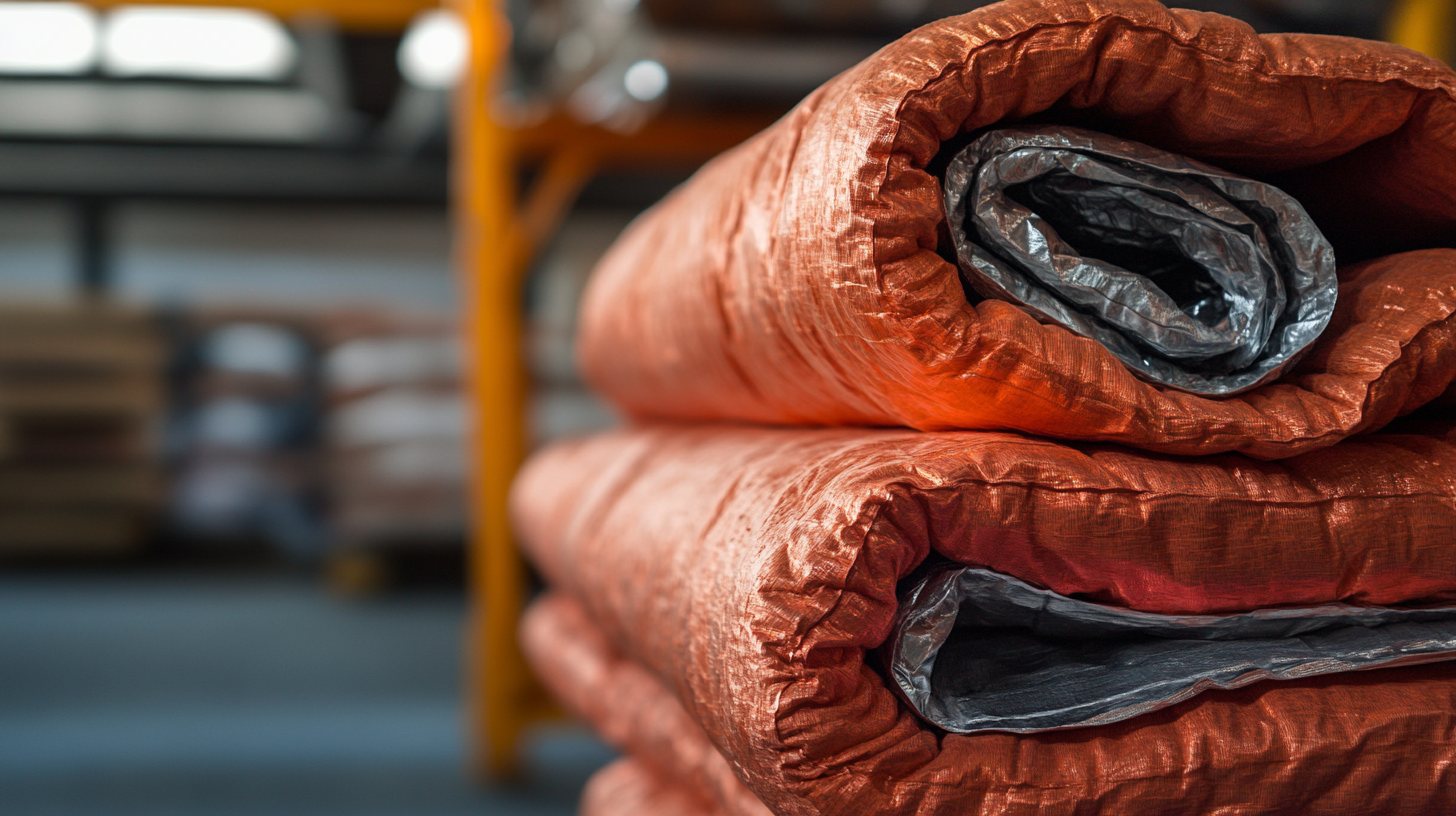
One notable success story involves a manufacturing facility that implemented flexible insulation blankets in its steam distribution system. According to a case study published by Energy Star, the facility experienced a remarkable 25% reduction in heat loss, leading to an annual savings of over $50,000 in energy costs. This transformation underscores the efficiency and versatility of flexible insulation blankets in real-world applications, providing tangible benefits to both the environment and the bottom line. With such compelling evidence, it's clear that flexible insulation solutions are at the forefront of driving energy efficiency advancements.
Flexible insulation blankets play a crucial role in enhancing safety measures within the construction industry. According to a report by Research and Markets, the global construction insulation market is projected to reach $56.1 billion by 2025, driven by the demand for energy-efficient solutions. These blankets provide effective thermal insulation, reducing energy costs and preventing heat loss in buildings. This thermal resistance not only aids in maintaining optimal indoor temperatures but also minimizes the risk of fire hazards, making construction sites safer for workers.
Moreover, flexible insulation blankets are designed to comply with stringent safety standards, including the National Fire Protection Association (NFPA) regulations. Their use in construction significantly lowers the chances of accidents related to temperature fluctuations or potential fire incidents. A study conducted by the U.S. Department of Labor indicated that improper thermal insulation can increase the risk of heat stress and fire-related injuries on job sites. By incorporating high-quality flexible insulation, construction companies can not only foster a safer working environment but also enhance overall project efficiency and sustainability.

The evolution of flexible insulation materials has been significantly influenced by advancements in technology and growing environmental awareness. According to a report by the Global Insulation Market, the flexible insulation segment is projected to grow at a CAGR of 5.8% from 2021 to 2028, driven by the increasing demand for energy efficiency in construction and industrial applications. Innovations such as aerogel and reflective insulation are setting new standards in thermal performance while allowing for improved design flexibility in various industries.
Moreover, sustainability trends are reshaping the landscape of insulation materials. The use of recycled materials in the production of flexible insulation blankets not only reduces waste but also meets the rising consumer demand for eco-friendly products. A study by the Journal of Cleaner Production highlights that incorporating recycled content can enhance the life cycle performance of insulation materials, potentially reducing overall carbon emissions by up to 30% over their lifetime. As manufacturers continue to innovate, the integration of smart technologies into flexible insulation products, such as temperature-responsive materials, is expected to further enhance their functionality and adaptability in an ever-evolving market.
: In the aerospace sector, flexible insulation blankets provide essential thermal protection for sensitive components, ensuring optimal performance in extreme temperatures, and contribute to fuel efficiency and structural integrity during flight.
Flexible insulation blankets enhance thermal management within vehicles by reducing cabin noise and controlling engine temperatures, leading to improved comfort and performance.
Flexible insulation blankets are used in renewable energy applications such as solar panel installations, where they protect sensitive equipment from temperature fluctuations and environmental damage.
Flexible insulation blankets offer versatility, allowing them to conform to irregular shapes and surfaces, improve thermal performance, and reduce installation time and labor costs compared to traditional rigid insulation.
Unlike conventional materials that may lose effectiveness due to settling or moisture, flexible insulation blankets maintain their thermal resistance and resist compressive forces, ensuring long-term energy savings.
Many flexible insulation blankets are lightweight, which simplifies the installation process and allows for quicker project turnaround.
Yes, flexible insulation blankets are appealing for both new constructions and retrofits due to their adaptability and ease of installation.
By maintaining their insulating properties over time and providing superior coverage, flexible insulation blankets help buildings remain more efficient and comfortable throughout the seasons.


