Welcome to JIECHENG



Leave Your Message
Welcome to JIECHENG
In 2023, folks are really focusing on how to improve energy efficiency at home — mainly because energy costs are climbing and everyone’s worried about climate change. That’s where the 'Pipe Insulation Guide' comes in handy; it’s a great resource that shows just how much difference proper insulation can make when it comes to saving energy. Did you know that, according to the U.S. Department of Energy, insulating your pipes can cut down energy loss by almost 80%? That’s a huge deal and can really help cut down your heating bills. On the industry side, Jiangxi Jiecheng New Materials Co., Ltd. stands out — they’re all about making and selling high-temperature insulation products. They specialize in things like removable thermal Insulation Sleeves and high-temp insulation boards, really pushing the envelope on solutions that are both energy-efficient and eco-friendly for home heating systems. The goal of this guide? To give homeowners the knowledge they need to insulate their pipes better and, in the process, help build a greener future together.
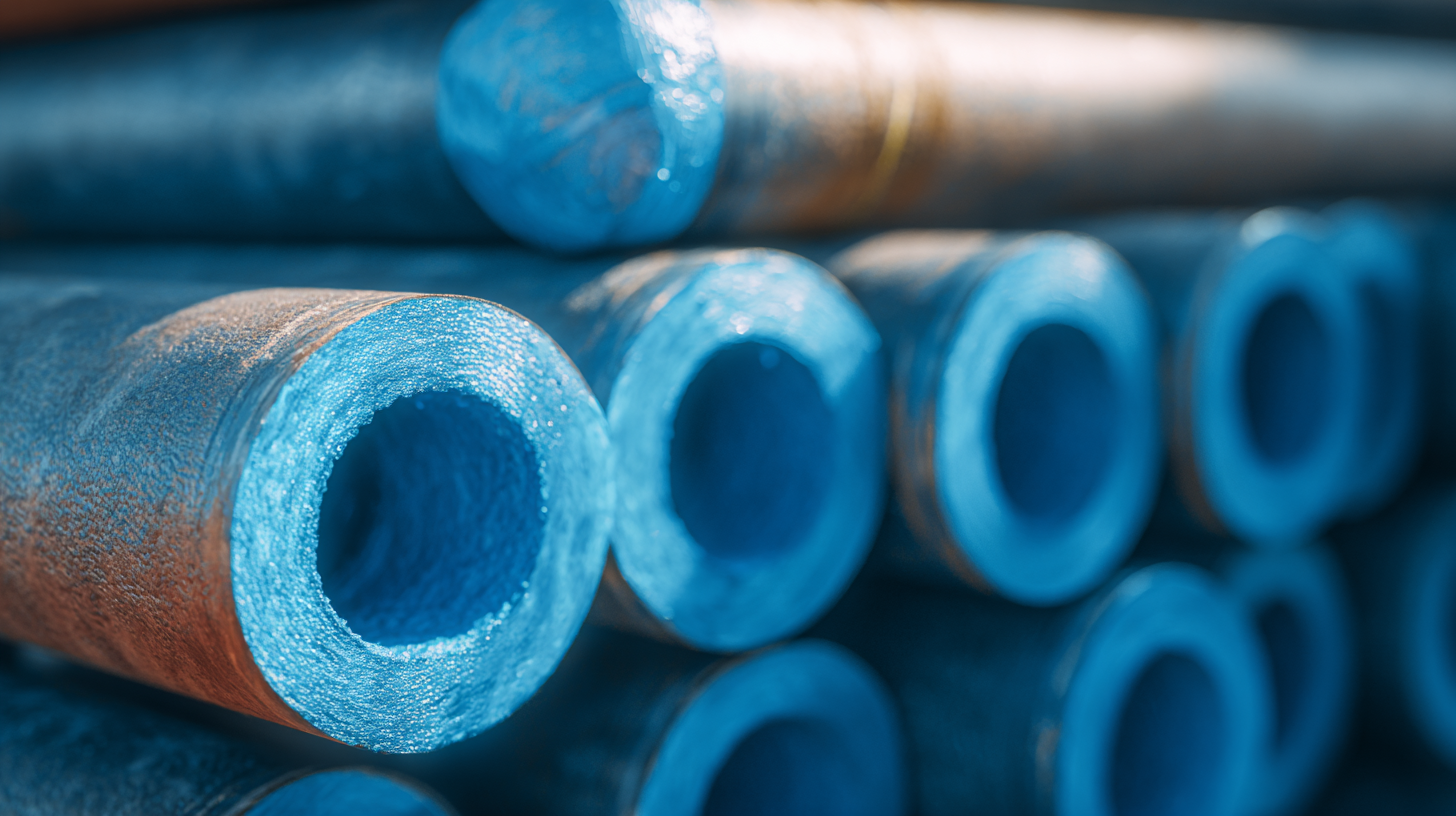
Pipe insulation is actually one of those small things that can make a pretty big difference when it comes to energy savings at home. Especially in 2023, more and more folks are really paying attention to how their choices impact the environment and their wallets. Insulating your pipes? It’s a simple step, but it works—it keeps the heat in when water’s flowing through, whether it’s hot or cold, so your heater doesn’t have to work as hard. That means your home stays comfy, and your energy bills get cut down a bit. Honestly, it’s a smart move that pays off in the long run.
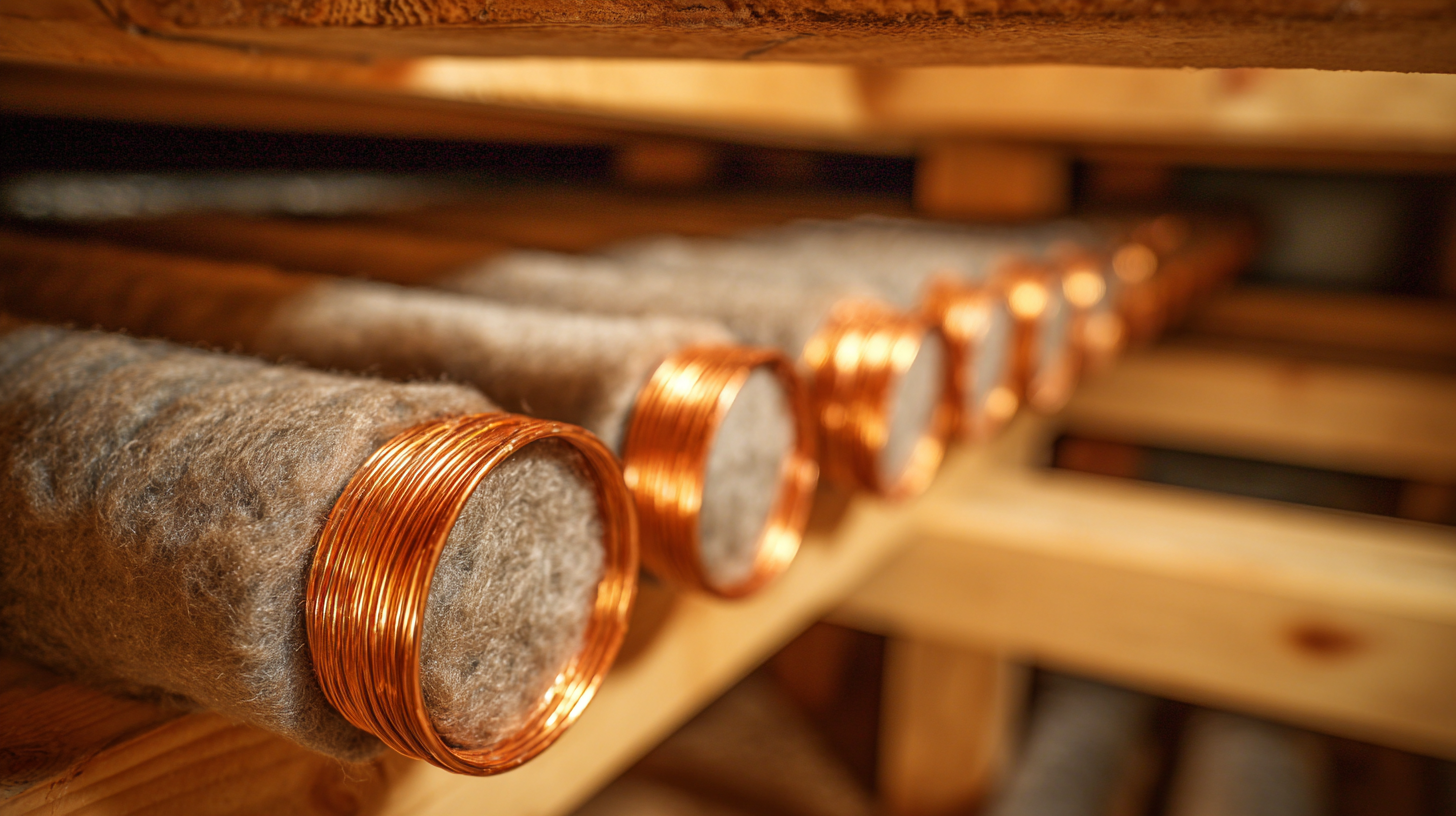
And it’s not just about saving money—there’s a bigger picture too. Good insulation supports efforts to be more eco-friendly, which is especially important given all the climate challenges we face. Just putting a bit of insulation on your pipes is easy and effective, and it lines up with bigger goals like reducing our carbon footprints and running a greener home. Plus, community programs like the free home energy check-up event in Franklin Township show that places are really stepping up to help residents adopt these practical, eco-friendly habits. It’s all about making sustainable living more accessible and encouraging everyone to do their part.
When you're trying to boost energy efficiency at home, picking the right pipe insulation really makes a big difference. Luckily, in 2023, homeowners have a bunch of options, each with its own set of perks and quirks. The top five types you’ll probably come across are fiberglass, foam, rubber, cellulose, and spray foam—each offering different levels of thermal resistance (that R-valuething), moisture resistance, and how easy they are to install. For example, fiberGlass Insulation usually clocks in betweenR-2.2 and R-4.3 per inch, making it a pretty budget-friendly choice for many folks. But, it’s not all perfect—over time, it can break apart or soak up moisture, which can mess with its performance.
On the flip side, spray foam insulation tends to have a higher R-value, somewhere around R-6 to R-7 per inch. That sounds awesome, right? Well, there are some risks, especially if it’s not installed properly. Some recent reports have pointed out that bad installation practices can lead to issues with indoor air quality—definitely something to watch out for. Rubber insulation, although it might cost a bit more, is known for being super durable and resistant to water and extreme temperatures. It’s a solid choice if you live somewhere with wild weather.
When you're picking insulation, it’s all about balancing the pros and cons—think about installation costs, how much money you’ll save on energy bills in the long run, and what your home specifically needs. Plus, with companies like Jiangxi Jiecheng New Materials Co., Ltd., leading the charge in high-temp insulation solutions, you can find trustworthy products that really deliver on both safety and efficiency.
You know, proper insulation is one of those things that often gets overlooked, but honestly, it makes a big difference in how energy-efficient your home is—and it can save you quite a bit on those energy bills too. For example, insulating your pipes properly can cut your energy costs by up to 20%. That’s a pretty sweet deal, right? It’s especially important if you live somewhere where temperatures tend to bounce around because uninsulated pipes just fling heat away—leading to higher bills and more energy waste. Insulating both hot and cold water lines really helps, too. It prevents heat from escaping hot water and keeps cold water cold, so your heating and cooling systems don’t have to work as hard. Win-win!
Investing in good-quality pipe insulation isn’t just about saving money; it’s also about making your home way more comfortable. No more chilly drafts or uneven temps messing with your vibe. Plus, there are tons of options—like foam or fiberglass—so you can pick what works best for your climate and your home. Taking these small but smart steps can really add up, making your house more eco-friendly and your wallet happier. Honestly, it’s one of those simple upgrades that pays for itself and helps you do your part in living more sustainably—something I think we all want in 2023, right?
Insulating your pipes properly is super important if you want to save on energy costs and keep things running smoothly at home. One thing to keep in mind is making sure the insulation materials you choose meet the right R-values, which actually depend a lot on where you live. For example, the Department of Energy recommends R-values between R-3 and R-4 for warmer areas. But if you’re in a colder climate, you’ll probably need R-6 up to R-8 to really keep your energy use in check.
Tip: Always check your local building codes first—these rules often specify the exact R-values needed for your particular climate, so it’s worth double-checking.
When you're picking out insulation, think about the material too. Fiberglass is a common pick because it has a high R-value and doesn’t catch fire easily. Foam insulations are also pretty versatile—they work well whether you’re insulating hot or cold pipes. If you’re in an area that freezes regularly, it’s a good idea to go for at least R-6 insulation to help prevent pipes from bursting. That’s a big headache you definitely want to avoid.
Tip: Look for products that have a moisture-resistant vapor barrier on them, especially if your climate is humid. It helps the insulation last longer and keeps things dry inside.
All in all, choosing the right pipe insulation isn’t just about protecting your plumbing—it’s a smart move that can really cut down on energy bills and is better for the environment. Trust me, a little effort here goes a long way!
When you're dealing with pipe insulation, you’ve got that classic dilemma: do it yourself or hire the pros? Honestly, both options come with their own pros and cons, especially when it comes to cost and how well the job gets done. Doing it yourself can definitely save some cash on labor, especially if you're pretty handy and can find good deals on insulation materials. But, here’s the thing—if you’re not super experienced, you might miss some important details that keep your energy bills in check. That slip-up could mean your heating and cooling costs end up higher than they should be.
On the flip side, bringing in a professional might seem a bit pricier upfront. Still, it often means you get a better quality job. They know what they’re doing and can customize solutions to fit your home's specific needs. Plus, they’ll make sure everything’s up to code, which is pretty important. Having that expert touch not only boosts energy efficiency but can save you some serious money in the long run.
A couple of tips: If you decide to go the DIY route, do some research first—figure out the right R-value for your climate. And make sure to get top-quality materials so your insulation does its job well. If you’re leaning toward hiring someone, get a few quotes, read reviews, and look for contractors who specialize in energy-efficient solutions—that way, you’re more likely to get someone who really knows their stuff.
These days, homeowners are really starting to care more about sustainability, and that’s pushing the way we think about pipe insulation. In 2023, we’re seeing some pretty exciting new materials like aerogel and bio-based insulations making waves—mainly because they do a better job keeping things warm while being gentler on the planet. They're not just about energy savings; they actually help create greener, more eco-friendly living spaces. Plus, using these kinds of insulations means you can lower your carbon footprint and still keep your home cozy. Pretty cool, right?
When you’re picking out pipe insulation, my best advice is to go for materials that hit both efficiency and eco-friendliness. Keep an eye out for products with high R-value ratings—that’s basically a sign they’re good at resisting heat loss. And, if you can find options made from recycled or renewable stuff—bonus points! That’s a solid move for making your home more sustainable.
A quick tip: always look for certifications like Energy Star or seals from trusted environmental organizations. It’s a good way to know you’re getting quality materials that support energy efficiency. Oh, and don’t forget to check your insulation now and then—stuff shifts and gaps can pop up, which means more energy loss and higher bills. So a little regular inspection can go a long way!
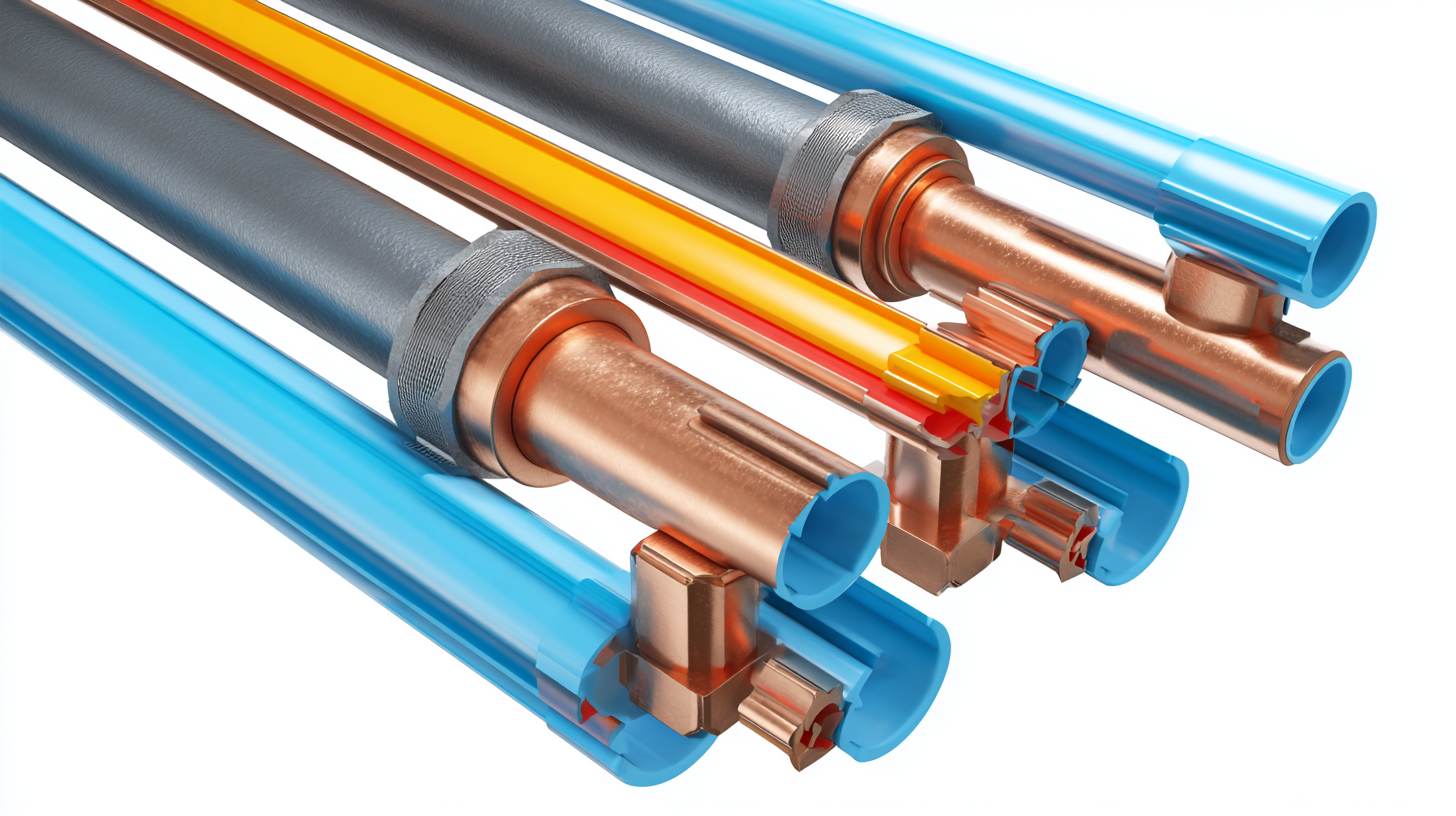
In the pursuit of enhanced energy efficiency and sustainability, innovative industrial insulation solutions play a critical role. With a temperature range of -70°C to 1000°C and a thermal conductivity of less than 0.035 W/(m·K) at normal temperatures, these materials are engineered to provide optimal thermal performance across a wide variety of industrial applications. The combination of low thermal conductivity and a density between 100-200 kg/m3 ensures that even at significant thicknesses of 35mm to 50mm, the insulation meets the demanding requirements of modern industries while minimizing energy loss.
Moreover, these insulation materials boast exceptional flame retardant performance, classified as A-grade non-flammable, providing safety in high-temperature environments. Their anti-corrosion properties, including resistance to acids, alkalis, water, and oils, significantly extend the material's lifetime to over ten years, reducing maintenance costs and enhancing operational efficiency. By integrating such innovative insulation solutions, industries can not only achieve superior energy performance but also contribute to sustainable practices, ensuring that operations are both economically viable and environmentally responsible.
: Pipe insulation is crucial for optimizing energy efficiency in homes. It helps reduce heat loss during water transfer, leading to lower energy costs and a more consistent indoor climate.
Insulating pipes is an effective measure to reduce energy consumption and carbon footprints, making it a vital practice in addressing climate change and promoting sustainable living.
The U.S. Department of Energy recommends R-values of R-3 to R-4 for warmer climates and R-6 to R-8 for colder regions to ensure optimal energy efficiency.
Fiberglass is popular for its high R-value and non-combustibility, while foam insulation is effective for both hot and cold pipes.
Homeowners in freezing areas should use pipe insulation with an R-value of at least R-6 to prevent pipe bursts, which can be a significant concern in cold temperatures.
Innovative materials like aerogel and bio-based insulations are becoming popular due to their superior thermal performance and minimal environmental impact, enhancing energy efficiency in sustainable living spaces.
Homeowners should look for products with high R-value ratings, as well as certifications like Energy Star or those recognized by environmental organizations, to ensure quality and environmental responsibility.
Regular inspections help identify any gaps in insulation, preventing energy loss and increased utility costs. Even small gaps can have a significant impact on energy efficiency.
Opt for insulation products with a moisture-resistant vapor barrier, especially in humid climates, to enhance durability and performance.
In the 'Pipe Insulation Guide,' homeowners are introduced to just how important pipe insulation really is when it comes to saving energy. The guide walks you through the top five types of pipe insulation—breaking down their advantages and disadvantages—so you can make smarter choices. It’s pretty clear that proper insulation can seriously cut your energy bills by up to 20%. Plus, it dives into industry standards for R-values, which vary depending on your climate zone, helping you pick the best insulation for your specific situation.
And here’s a topic that often comes up—DIY vs. hiring a pro for installation. The guide compares the costs and efficiency of both options, so you can decide what makes sense for you. They also give a sneak peek into what’s coming next in pipe insulation, especially with a focus on more eco-friendly options in 2023. Oh, and Jiangxi Jiecheng New Materials Co., Ltd.—a big player in high-temperature insulation—is ready to help homeowners get quality products that can lower energy costs and boost comfort at home. All in all, it’s a really handy resource if you’re thinking about improving your home's energy efficiency.