Welcome to JIECHENG



Leave Your Message
Welcome to JIECHENG
When it comes to designing buildings that are more sustainable, making sure they use energy efficiently has really taken center stage for architects and engineers alike. One of the key players here is Blanket Thermal Insulation — it’s pretty much essential because it cuts down heat transfer, which in turn helps reduce how much energy we need. Did you know that buildings make up around 40% of global energy consumption? And insulation alone can save up to 30% of that energy — pretty impressive, right?
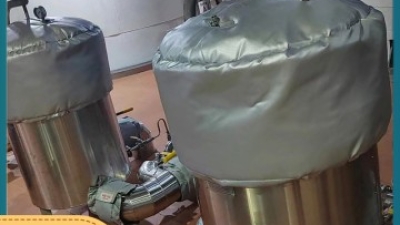
Companies like Jiangxi Jiecheng New Materials Co., Ltd. are doing their part by developing high-temperature insulation products, like removable thermal sleeves and tough insulation boards. These materials don’t just boost energy efficiency; they also support sustainability efforts in construction, helping us meet modern energy standards and move towards greener building practices. Honestly, with innovative solutions like Blanket Thermal Insulation, we’ve got a real shot at lowering energy demands and building a more sustainable future — one step at a time.
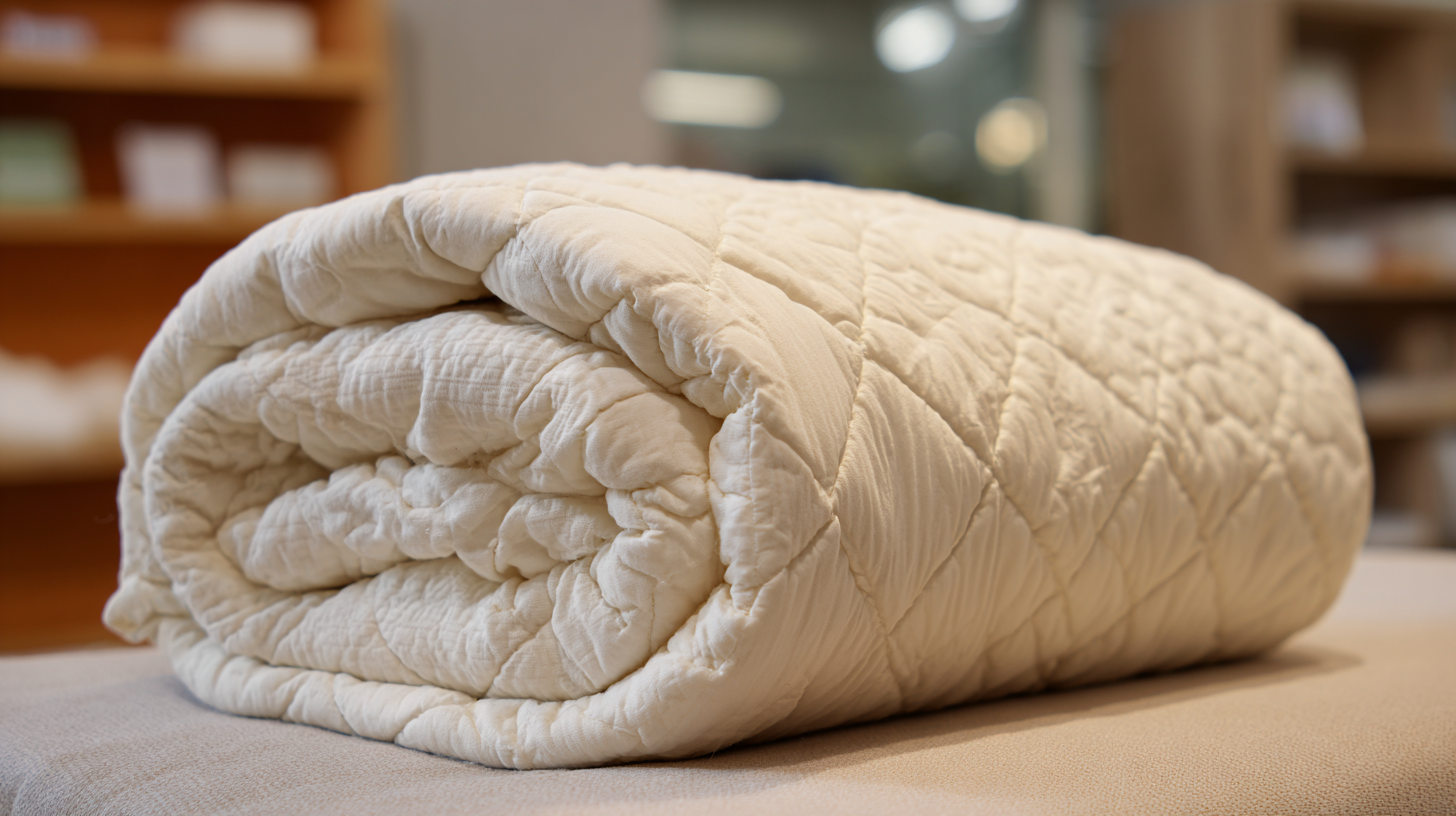
You know, blanket thermal insulation really has a big say when it comes to building sustainably. It helps make buildings more energy-efficient, which means lower utility bills and less stress on the environment. Usually, it’s made from large, flexible materials like fiberglass or mineral wool — stuff that’s easy to get in and out of walls, attics, and floors. These materials act like a super effective shield — they block heat from escaping in winter and keep it out in summer — so the inside stays pretty comfortable no matter what’s going on outside. Plus, by using this kind of insulation, we rely less on heating and cooling systems. That’s a win for conserving energy and cutting down on carbon emissions, right?
Getting a grip on blanket insulation basically means understanding something called the R-value — that’s just a way to measure how well it resist heat flow. The higher the R-value, the better it is at keeping heat in or out, which is really important for architects and builders choosing the right materials for the climate and their overall design goals. Also, a lot of folks are turning to eco-friendly options like recycled cotton or sheep’s wool to make their buildings even greener. When these ideas are part of the planning, the end result is a space that’s not just energy-smart but also kinder to the planet.
| Insulation Material | Thermal Resistance (R-Value) | Environmental Impact | Cost per Square Foot |
|---|---|---|---|
| Fiberglass Batts | R-11 to R-38 | Low to moderate | $0.50 - $1.00 |
| Rigid Foam Board | R-4 to R-6 per inch | Moderate | $1.50 - $3.00 |
| Spray Foam | R-6 to R-7 | High | $3.00 - $6.00 |
| Cellulose | R-3.1 to R-3.7 | Low; recycled materials | $0.80 - $2.00 |
| Mineral Wool | R-3.7 to R-4.2 | Moderate | $1.00 - $2.50 |
When it comes to designing buildings that are more eco-friendly, energy efficiency is a pretty big deal. You know, according to the folks at the U.S. Department of Energy, buildings make up about 39% of all energy use and roughly 68% of the electricity consumed in the U.S. Crazy, right? And here’s a kicker: up to 30% of a building’s energy can just be wasted thanks to bad insulation. That’s why insulation is so critical—it helps keep the heat in (or out) and can really cut down on energy bills. Like, if your house is well insulated, you could end up saving around 20% on heating and cooling costs. Pretty impressive, huh?
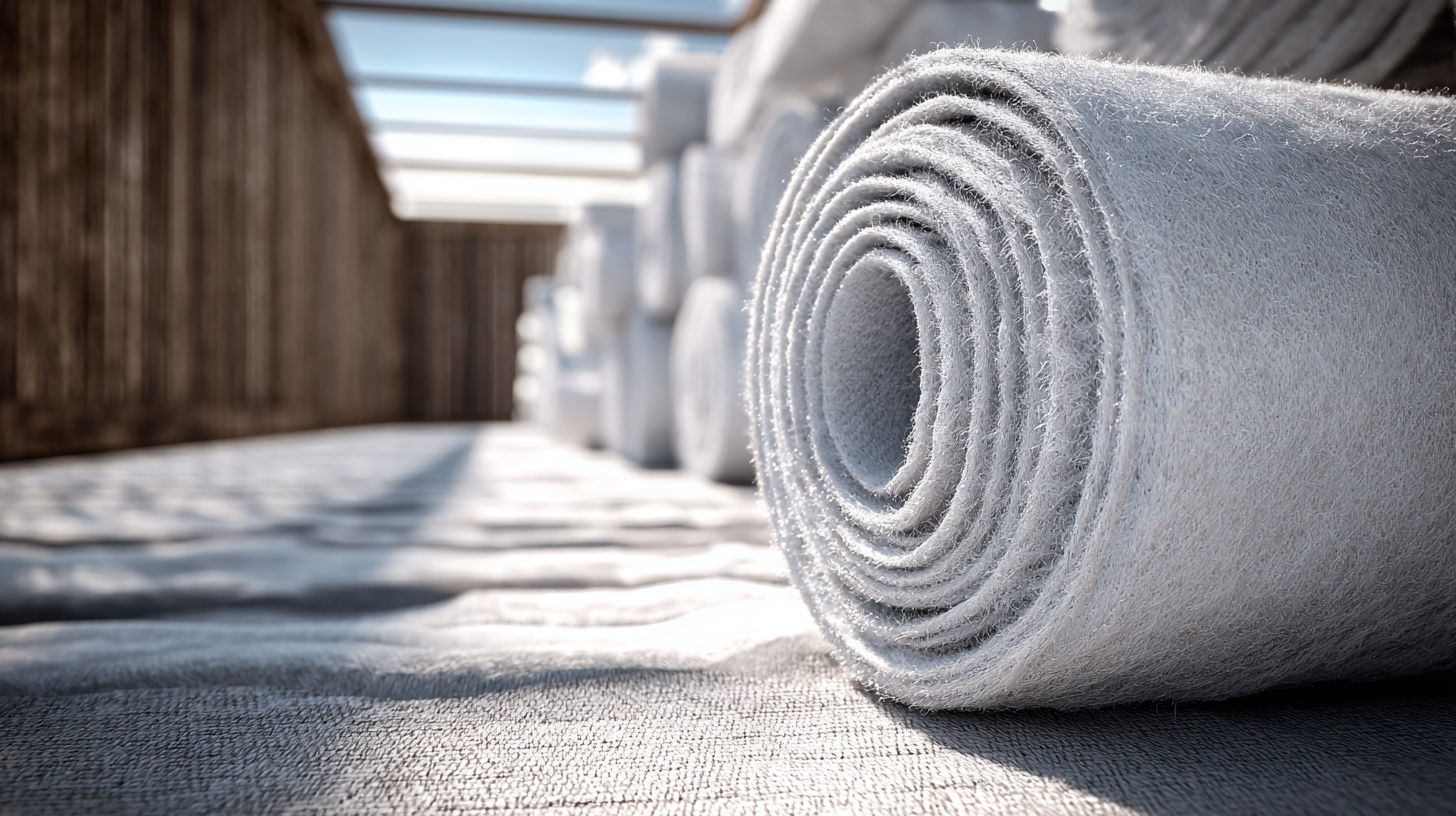
If you’re looking to step up your energy game, investing in quality thermal insulation is definitely worth it. These materials can dramatically cut down on something called thermal bridging—that’s just a fancy way of saying heat sneaking through walls, ceilings, or floors, which messes with your energy efficiency. Going for insulation with a high R-valueis another smart move because that basically tells you how good it is at resisting heat flow. For example, Fiberglass Insulation usually has an R-value between2.9 and 4.3 per inch—so it’s a pretty popular pick for homes.
A few tips while you’re at it: pick insulation that meets or even exceeds your local energy codes—better safe than sorry! And don’t forget, installation really matters. Gaps or squished spots can seriously reduce how well your insulation works, so take your time to do it right. Oh, and remember to check and upgrade your insulation now and then to keep everything running smoothly and efficiently—that way, you’re always on top of your energy game.
When it comes to designing sustainable buildings, comparing different insulation materials is actually pretty important if we want to boost energy efficiency. Recent research, especially life cycle assessments (or LCAs), shows that there's quite a big difference between various options in terms of both environmental impact and cost. For example, bio-based insulations are looking really promising — they tend to be cheaper and greener compared to the more traditional materials. This is a big deal, especially in Mediterranean climates, where picking the right insulation can make a real difference in how much energy your building uses and how practical it is to operate.
On top of that, newer materials made through 3D printing are showing some exciting potential, especially in terms of keeping heat in and blocking sound. Since the construction industry uses a huge chunk of the world’s energy, making sure we choose Efficient Insulation for building envelopes is more important than ever. Doing thorough LCAs helps everyone involved make smarter choices — not just about cutting down embodied energy but also pushing us closer to sustainability goals in the building game.
Putting blanket thermal insulation into eco-friendly buildings really shows how much we're gravitating toward more sustainable construction methods these days. If you look at some real-world examples, it's pretty clear that using advanced insulation materials can make a big difference—think energy savings and a smaller environmental footprint. Take buildings that use high-performance options from companies like Jiangxi Jiecheng New Materials Co., Ltd., for example. Their detachable thermal sleeves and high-temperature insulation boards really prove how effective these products are. Not only do they boost energy efficiency, but they also make the space more comfortable and safer for folks inside.
And it's not just about insulation anymore—digital twin tech is really shaking things up in the world of green construction. Creating virtual models of actual buildings helps architects and engineers analyze how well they're performing, find ways to cut down on energy use, and keep pushing for more sustainable practices. When we pair these smart digital tools with innovative insulation ideas, we get a more resilient, eco-friendly built environment. Lots of case studies have shown that embracing this kind of tech supports that ongoing move toward building designs that focus on saving resources and being energy-smart.
When it comes to making buildings more energy-efficient, thermal insulation really can make a huge difference. According to the folks at the U.S. Department of Energy, bumping up your insulation can cut your heating and cooling bills by around 20 to 30 percent—it's pretty impressive how much energy you can save. Installing stuff like fiberglass batts or spray foam isn’t just about keeping the temperature comfortable inside; it also helps prevent heat from escaping during winter and keeps the heat out in the summer. Honestly, that means a cozier home all year round.
To get the most out of your insulation, it’s smart to pick your materials carefully and install them properly. For example, choosing insulation with a higher R-value—which basically measures how well it resists heat transfer—can really boost your home's energy efficiency. The experts at ASHRAE suggest aiming for an R-value of 60 or more in your attic if you’re in a colder climate—that’s kind of their sweet spot for keeping things energy-smart. And don’t forget about sealing up gaps and leaks—fixing those little cracks can make your insulation work even better and help you get the most bang for your buck. At the end of the day, it's all about making smart choices to save energy and stay comfortable.
The world of blanket thermal insulation is going through some pretty big changes lately, thanks to new tech and shifting rules. As everyone’s really focusing more on eco-friendly building stuff, we're seeing all kinds of new materials and methods popping up that do a better job at keeping things warm — and at the same time, are kinder to the planet. 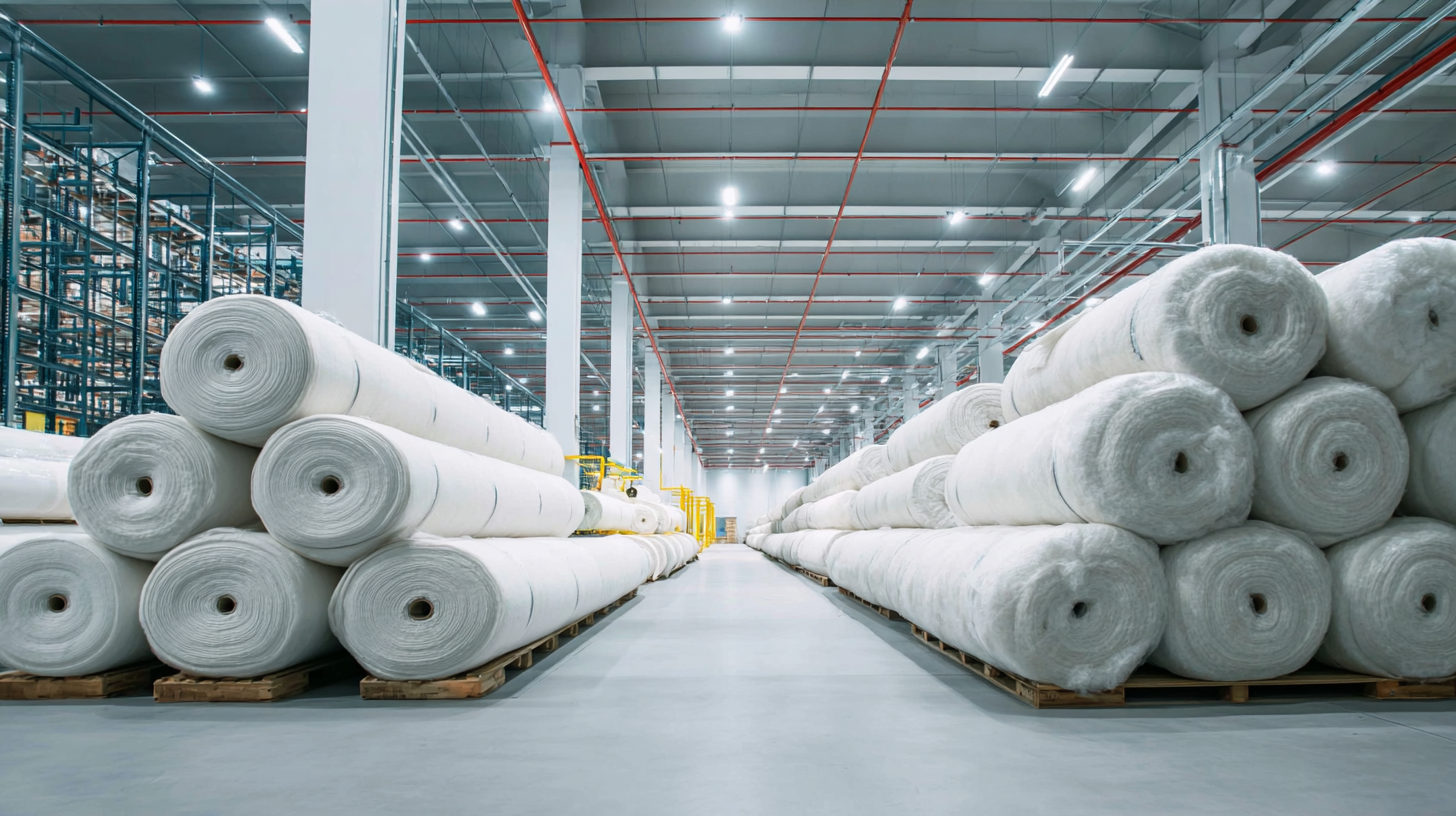 For instance, advanced insulation options like reflective foils and bio-based materials are hitting the scene, aiming to boost energy efficiency. These new solutions not only insulate better but also help cut down waste and make use of renewable resources, which is pretty awesome.
Beyond just tech, regulations are also playing a big role in shaping the future of insulation. Governments and industry groups are cracking down with tighter energy standards, pushing architects and builders to up their game. These rules basically encourage everyone to go for higher-quality insulation systems that help buildings use less energy for heating and cooling. Looking ahead, it seems like the focus will be on developing standards that value both efficiency and sustainability, making sure that new buildings are not just comfy and modern, but also kinder to our planet — something we definitely need more of in our energy-conscious world.
In industries where temperature control and equipment protection are paramount, removable insulation valve covers have emerged as an essential solution to enhance operational efficiency and comfort. These innovative covers ensure optimal temperature maintenance within a range of -70°C to 1000°C, significantly reducing heat loss and preventing overheating in critical systems. With a thermal conductivity rating of less than 0.035 w/(m·k) at normal temperatures, they effectively minimize energy consumption, leading to substantial cost savings over time.
Moreover, the material used in these valve covers boasts impressive flame retardant properties, classified as A grade non-flammable. This quality is vital for maintaining safety in environments where flammable substances might be present. Their anti-corrosion features—including resistance to acids, alkalis, water, and oil—further extend the operational lifespan of the equipment they protect. With a density of 100-200 kg/m3 and sturdy thickness ranging from 35mm to 50mm, these covers are designed to last over 10 years, ensuring long-term investment protection.
By implementing removable insulation valve covers, industries can not only achieve better thermal efficiency but also cultivate a safer working environment. The balance of comfort and operational efficiency provided by such products plays a significant role in maintaining productivity while adhering to safety regulations, showcasing the critical importance of incorporating advanced materials in industrial practices.
: Blanket thermal insulation involves large, flexible materials like fiberglass or mineral wool that are installed in walls, attics, and floors to create a barrier against heat transfer. This enhances energy efficiency, lowers operational costs, and reduces reliance on heating and cooling systems.
R-value measures the effectiveness of insulation. A higher R-value indicates greater resistance to heat flow, which is crucial for selecting the right insulation based on climate and design goals.
The installation of blanket thermal insulation can minimize heat loss in winter and heat gain in summer, reducing energy consumption for heating and cooling by approximately 20-30%.
Common materials include fiberglass, mineral wool, recycled cotton, and sheep's wool, which can enhance the sustainability of building projects.
Best practices include selecting high R-value insulation, aiming for an R-value of 60 or higher in attics for colder climates, and addressing air leakage with proper sealing techniques to optimize insulation effectiveness.
Future trends include technological innovations like reflective foils and bio-based materials, as well as regulatory changes that enforce stricter energy efficiency standards, pushing for better insulation practices in sustainable building design.
Innovations improve thermal performance and reduce environmental impact by using renewable resources, minimizing waste, and enhancing overall energy efficiency in buildings.
Governments are implementing stricter energy efficiency standards which encourage architects and builders to adopt higher-performing insulation systems, thus promoting sustainability in building design.
Properly sealing air leaks increases the effectiveness of thermal insulation systems, helping homeowners maximize the benefits of their insulation investments and improve energy efficiency.
By minimizing heat loss and gain, blanket thermal insulation contributes to a more comfortable indoor environment throughout different seasons.
Hey, I read this really interesting article called "Maximizing Energy Efficiency: The Science Behind Blanket Thermal Insulation in Sustainable Building Design." It dives into the basics of Blanket Thermal Insulation and highlights just how important it is for making buildings more energy-efficient, especially when we're talking about eco-friendly architecture. The stats they share are pretty eye-opening—showing how much energy buildings typically suck up and how much heat is lost, which makes it clear that we really need better insulation solutions. They also compare different insulation materials, breaking down their performance and costs over their lifetime, so folks in the industry can get a good sense of what's worth it.
Plus, they threw in some real-world case studies of buildings that are doing a great job using Blanket Thermal Insulation. The article also covers some best practices for actually making the most of these insulation techs to squeeze out more energy savings. Looking ahead, it points to upcoming trends—like new innovations and changing rules—that are shaping the future of sustainable building design. Since Jiangxi Jiecheng New Materials Co., Ltd. specializes in high-temp insulation products, the insights here really resonate with our mission to push for smarter, energy-efficient solutions in construction. Honestly, it’s a great read if you're into making buildings greener and more efficient!