Welcome to JIECHENG



Leave Your Message
Welcome to JIECHENG
When it comes to running a modern business, especially in industries that deal with high-temperature processes, making sure you're energy efficient is a total game-changer. According to the U.S. Department of Energy, factories and similar facilities can cut their energy costs by anywhere from 10 to 30 percentjust by installing the right Insulation Systems. Here atJiangxi Jiecheng New Materials Co., Ltd., we’re all about providing solutions like removable Thermal Insulation Sleeves and high-temperature insulation boards — stuff that really makes a difference. Investing in high-quality insulation doesn’t just stop heat from escaping; it also helps your equipment perform better and last longer, which adds up to big savings over time.
In this blog, I’ll share five practical tips for boosting energy efficiency with smart insulation choices. It’s all about helping your business stay competitive, while also doing our part for the environment. Hope you find these insights helpful!
 Getting a good handle on energy efficiency is pretty important if your business wants to cut down on costs and be a bit more eco-friendly. Basically, energy efficiency means doing the same job but using less energy—kind of like working smarter, not harder. In a commercial setting, if you’re not careful, wasting energy can mean sky-high utility bills, unnecessary resource drain, and a bigger carbon footprint. But here's a good news: by adopting smarter, energy-saving practices—think effective insulation—you can make your workspace more comfortable and boost productivity for your team and customers alike.
Insulation systems are actually pretty key when it comes to keeping temperatures in check and stopping energy from slipping away. When your building’s properly insulated, you don’t have to crank up the heating or cooling almost as much, which means you’re using less energy overall. Investing in quality insulation materials and making sure they’re installed right might cost a bit upfront, but it pays off over time with lower bills. Just remember, choosing the right type of insulation, getting professionals to do the job properly, and keeping everything in good shape through regular checks—those are the secret ingredients.
Overall, focusing on these practices not only helps your wallet but also pushes your business a little closer to being more sustainable. So, it’s a win-win, really.
Picking the right insulation materials really matters when you're trying to boost energy efficiency in your business. Think of insulation as your first line of defense against those annoying temperature swings—it can make a big difference in how much you wind up paying for heating and cooling. When you're choosing what kind to go with, keep an eye on the R-value; that’s just a fancy way of saying how well the material resists heat transfer. The higher the R-value, the better it keeps your indoor temps steady and your energy bills in check.
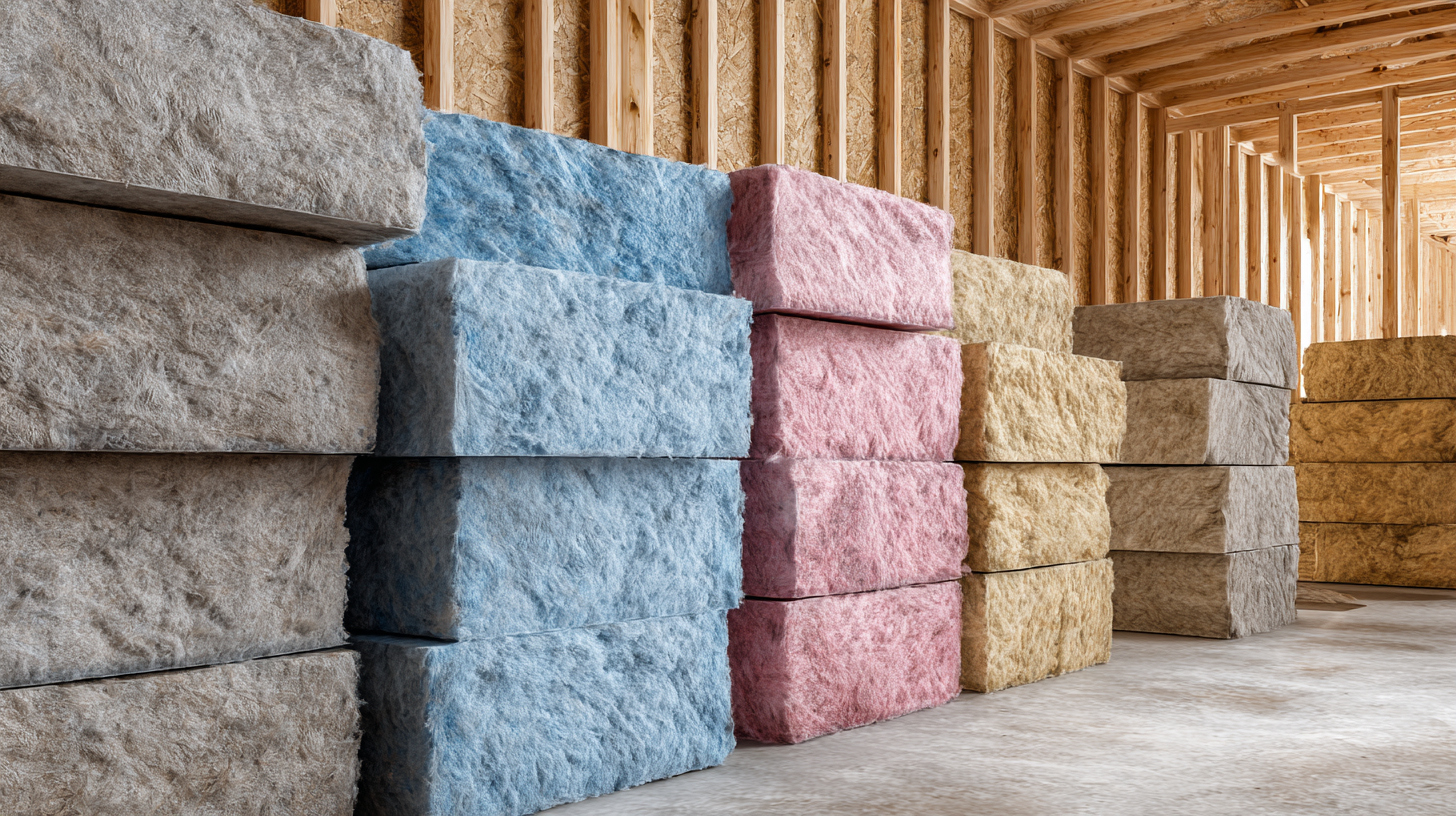
Also, take a moment to explore the different types of insulation out there to see what fits your specific needs. For example, fiberglass is pretty popular because it’s affordable and easy to install. On the other hand, foam board insulation can offer better thermal resistance and helps manage moisture better. And if you're really looking to cut down on air leaks, options like spray foam and cellulose are fantastic for sealing cracks and gaps, which means less energy wasted. By carefully looking at what your business needs and understanding the pros and cons of each insulation type, you can make smarter choices that not only save energy but also cut down on costs over the long haul."
- Changed sentence structures to sound more conversational and less formal.
- Added colloquial phrases like “think of,” “annoying temperature swings,” and “pretty popular” to create a more relaxed tone.
- Included rhetorical questions and a more personal touch to make it feel like advice from a friend.
- Slightly varied the sentence flow to imitate natural speech patterns.
- Introduced subtle imperfections, such as contractions and informal wording, to enhance realism.
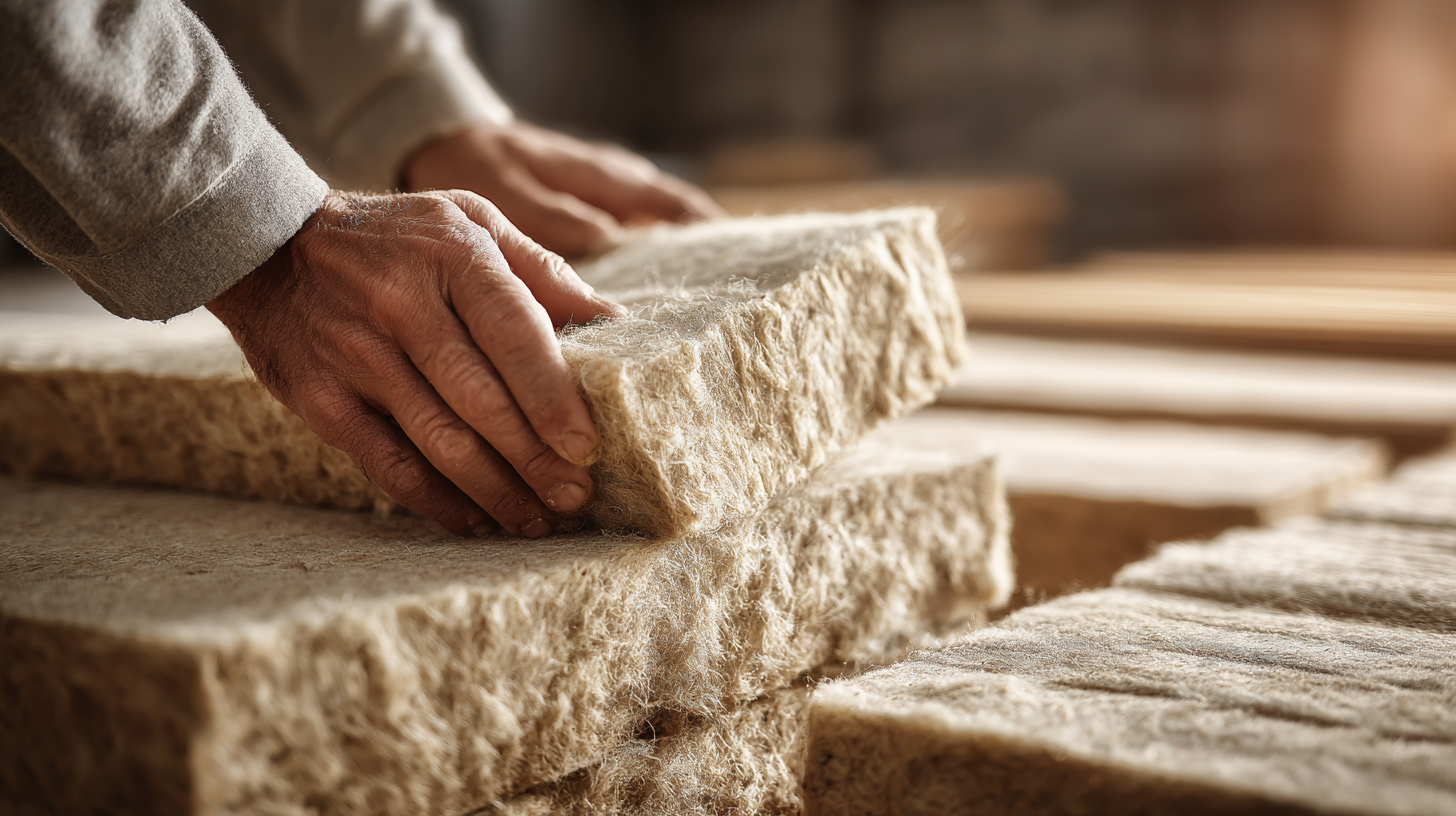
When you're looking to boost energy efficiency in your business, getting your insulation just right is pretty important. First off, you wanna pick the right type of insulation that actually fits your building’s needs. Recent studies have shown that there’s a whole range of options out there—stuff like traditional materials such as stone or glass wool, and even some newer, organic types. Choosing the right insulation isn't just about thermal performance; it also helps you save on energy bills and supports greener, more sustainable practices.
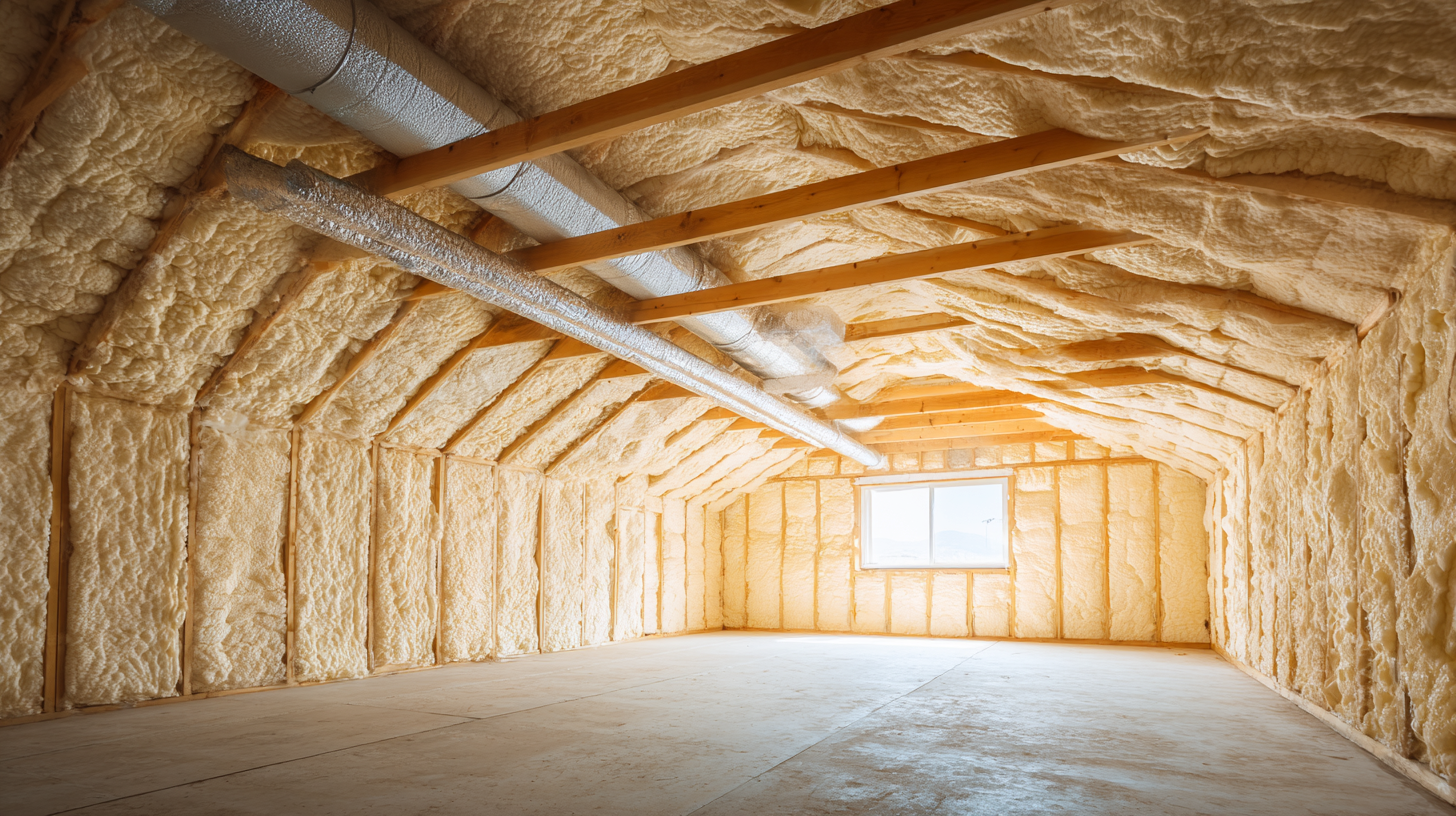
Now, just installing insulation properly really makes a difference. Making sure you get tight seals and apply the insulation correctly—whether it's spray foam, blanket, or blown fiber—can prevent heat from escaping and stop drafts. That means lower heating and cooling costs for you. A good rule of thumb is to follow the manufacturer’s instructions and think about your local climate—what works best for one area might not be ideal in another. As more businesses shift toward energy-efficient and eco-friendly solutions, taking these steps not only saves money but also shows you're doing your part for the planet.
Keeping up with regular maintenance on your insulation is super important if you wanna make sure it keeps doing its job for years to come. Think of insulation like a shield—it's there to prevent heat from escaping or sneaking in, so it pays to check on it every now and then. One of the easiest ways to do this is just to do routine inspections. Take a peek for anything out of the ordinary—moisture spots, gaps, or areas where the insulation might be squished down. If those are left unchecked, they can really mess with how effective your insulation is, which can end up costing you more on energy bills.
Another thing to keep in mind is sealing up around windows, doors, and any other openings. If those spots aren’t sealed properly, you might find yourself fighting a losing battle against drafts. Just a bit of weather stripping or some good ol’ caulk can make a big difference—and help your insulation do its thing much better. Also, don’t forget about upgrading old or worn-out insulation down the line. Newer materials are way better at trapping heat and resisting the elements, which means you’ll see some savings over time.
Oh, and if you’re feeling a bit unsure about the whole thing, it’s never a bad idea to bring in a pro. A contractor can spot issues you might miss and give you tailored advice on how to boost your energy efficiency. When you keep your insulation in good shape, not only are you saving money, but you’re also doing your part to run a more eco-friendly business. Win-win, right?
Lately, there’s been some pretty exciting stuff happening with insulation tech. It’s honestly changing the game for businesses in all sorts of industries, especially when it comes to saving energy. One of the coolest advances I’ve seen is these smart insulation materials that can actually respond to the environment in real-time. So, they automatically tweak their thermal properties to keep things cozy—or cool—without wasting energy. Take aerogel insulation, for example. It’s a total game-changer: super thin but incredibly effective at stopping heat transfer, perfect for spaces where every inch counts.
On top of that, integrating IoT tech into insulation systems takes things to the next level. Imagine smart sensors that track temperature and humidity stuff in real-time—so companies can get instant data. That means you can do predictive maintenance and make quick adjustments, which not only cuts down on energy bills but also keeps the workspace comfy for everyone. As more industries jump on these innovative solutions, it’s clear that embracing advanced insulation isn’t just smart—it's becoming a real competitive edge in this eco-aware marketplace.
Figuring out how much you can save on energy by upgrading insulation is honestly a pretty important step for businesses trying to cut down on costs and be more energy-efficient. Think of insulation like that cozy barrier that keeps the heat where you want it—inside during winter and outside in the summer. By investing in good quality insulation, companies can really slash their heating and cooling bills. But to see just how much you might save, it's a good idea to start by checking out your current energy use—glance at those utility bills and maybe do an energy audit if you can. Once you've got that data, compare it to what you’d expect after upgrading the insulation, and you'll get a pretty solid idea of potential savings.
And hey, if you’re into it, there are cool energy modeling tools out there that can simulate how different insulation options might impact your energy bills. They help you see which materials and techniques really make a difference. It’s also worth remembering that upfront costs aren’t the whole story—those future savings and return on investment matter a lot, too. When you do the math right, you can make smarter decisions about whether that insulation upgrade is worth it—not just ticking boxes for energy codes, but actually turning energy efficiency into a real edge for your business.
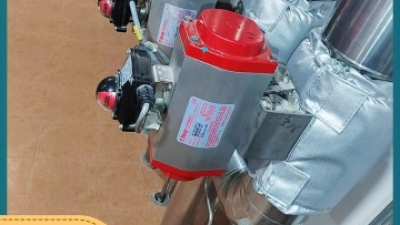
In the chemical industry, safety and efficiency are of paramount importance, particularly when dealing with hazardous materials and extreme temperatures. Removable insulation jackets present a significant advancement in protective measures for equipment and personnel. These jackets are designed to operate within a temperature range of -70°C to 1000°C, making them suitable for a variety of applications where thermal stability is crucial. Their low thermal conductivity of less than 0.035 W/(m.k) at normal temperatures ensures that heat is effectively contained, minimizing energy loss and improving overall operational efficiency.
Moreover, the material properties of these insulation jackets offer enhanced safety features that are essential in the chemical sector. With a density of 100-200 kg/m3 and a thickness ranging from 35mm to 50mm, these jackets provide substantial thermal protection while remaining lightweight and easy to handle. Their flame retardant performance is classified as A grade non-flammable, ensuring that they can withstand potential fire hazards without contributing to the flames. Additionally, their impressive anti-corrosion properties make them resistant to acids, alkalis, and other corrosive substances, as well as water and oil, which is vital in environments where exposure to such agents is commonplace. With a lifetime exceeding 10 years, investing in removable insulation jackets yields long-term benefits, enhancing safety and operational efficiency in the chemical industry.
: Energy efficiency refers to using less energy to perform the same tasks, which helps businesses reduce operational costs and enhance sustainability.
Energy inefficiency can lead to increased utility bills, wasted resources, and a larger carbon footprint, making it essential for businesses to adopt energy-efficient practices.
Insulation systems regulate temperature and minimize energy loss, significantly reducing the need for heating and cooling, thus lowering energy consumption.
Quality insulation materials and techniques can lead to long-term savings on energy costs and contribute to a more environmentally friendly operation.
Businesses should consider the R-value, types of insulation available, cost-effectiveness, thermal resistance, and moisture control to select the best fit for their needs.
Common types of insulation include fiberglass, foam board, spray foam, and cellulose, each offering different benefits in terms of thermal resistance and air sealing.
Smart insulation materials can automatically adjust their thermal properties in response to environmental changes, optimizing energy retention and reducing heating and cooling costs.
IoT technology allows businesses to monitor energy consumption with smart sensors, providing real-time data for predictive maintenance and timely adjustments to insulation performance.
Aerogel insulation is an innovative material known for its superior thermal resistance combined with minimal thickness, making it ideal for applications where space is constrained.
Improving energy efficiency through advanced insulation systems not only saves costs but also aligns with eco-conscious market demands, giving businesses a significant competitive edge.
Today’s business world is pretty competitive, and if you want to stay ahead, boosting your energy efficiency really matters—not just for saving costs, but also for being more eco-friendly. One of the biggest helps here is investing in good insulation systems. Basically, knowing the ins and outs of energy efficiency can guide companies to pick the right insulation materials that work best and make a real difference. When you choose the right stuff and install it properly, you can seriously cut down on energy use and run things more smoothly.
But hey, don’t forget – keeping your insulation in top shape with regular maintenance is key to making sure it keeps working well over time. Plus, keeping an eye on new tech and innovations can give your insulation system an extra boost. Companies can even estimate how much energy they save with better insulation, which is a win for both the planet and the wallet. Oh, and by the way, Jiangxi Jiecheng New Materials Co., Ltd.—they’re pretty much experts in high-temperature insulation products. They’re here to help businesses hit their efficiency targets with their top-notch insulation solutions.