Welcome to JIECHENG



Leave Your Message
Welcome to JIECHENG
Starting a new project? One of the biggest decisions you'll face is choosing the right materials—especially when it comes to thermal management. Thermal Fiber Insulation is a real game-changer here, helping you keep temperatures just right and boosting energy efficiency across different applications. In this blog, I’ll walk you through a handy checklist to help you pick the best thermal fiber insulation for your specific needs. We’ll also dive into the latest industry trends for 2025—so you’re always staying ahead of the curve.
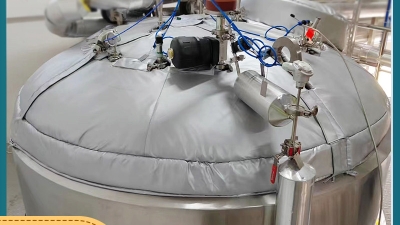
As a top player in high-temperature insulation products, Jiangxi Jiecheng New Materials Co., Ltd. offers a pretty wide range of solutions, from detachable Thermal Insulation sleeves to high-temperature insulation boards. Comparing different types of thermal fiber insulation can really help you make smarter choices—ones that not only fit your project requirements but also keep pace with the ongoing advancements in this fast-changing field.
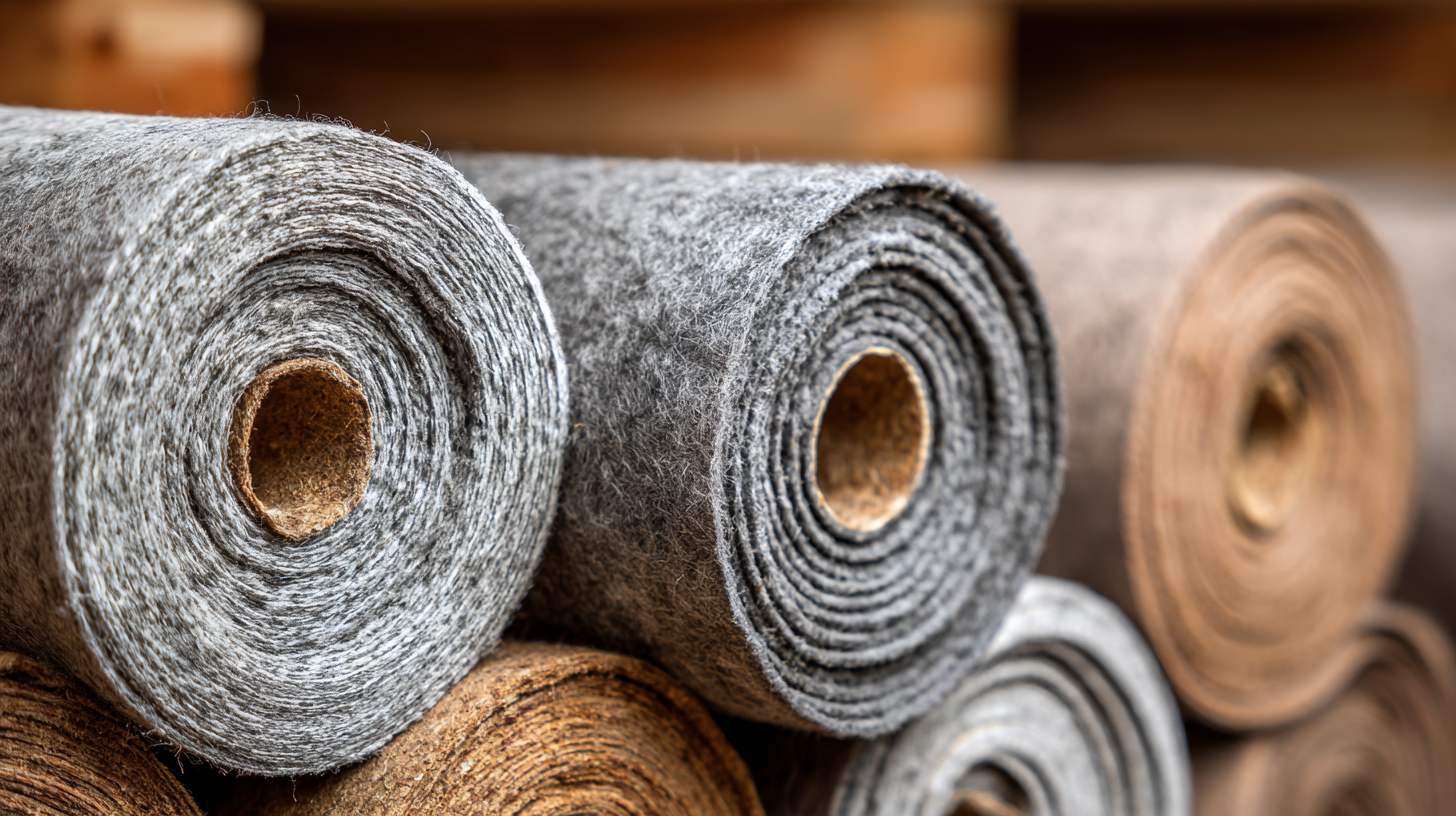
So, if you're picking out thermal fiber insulation for your project, there are a few key things you really want to keep in mind—these can make a big difference in how well it works and how efficient it is. One of the main points is the R-value, which basically tells you how good the insulation is at resisting heat transfer. The Department of Energy suggests going for at least a 30 R-value for attic insulation in colder areas, while for walls, something in the range of 19 to 25 usually does the trick. It’s a good reminder to pick your insulation based on your climate and what your house specifically needs.
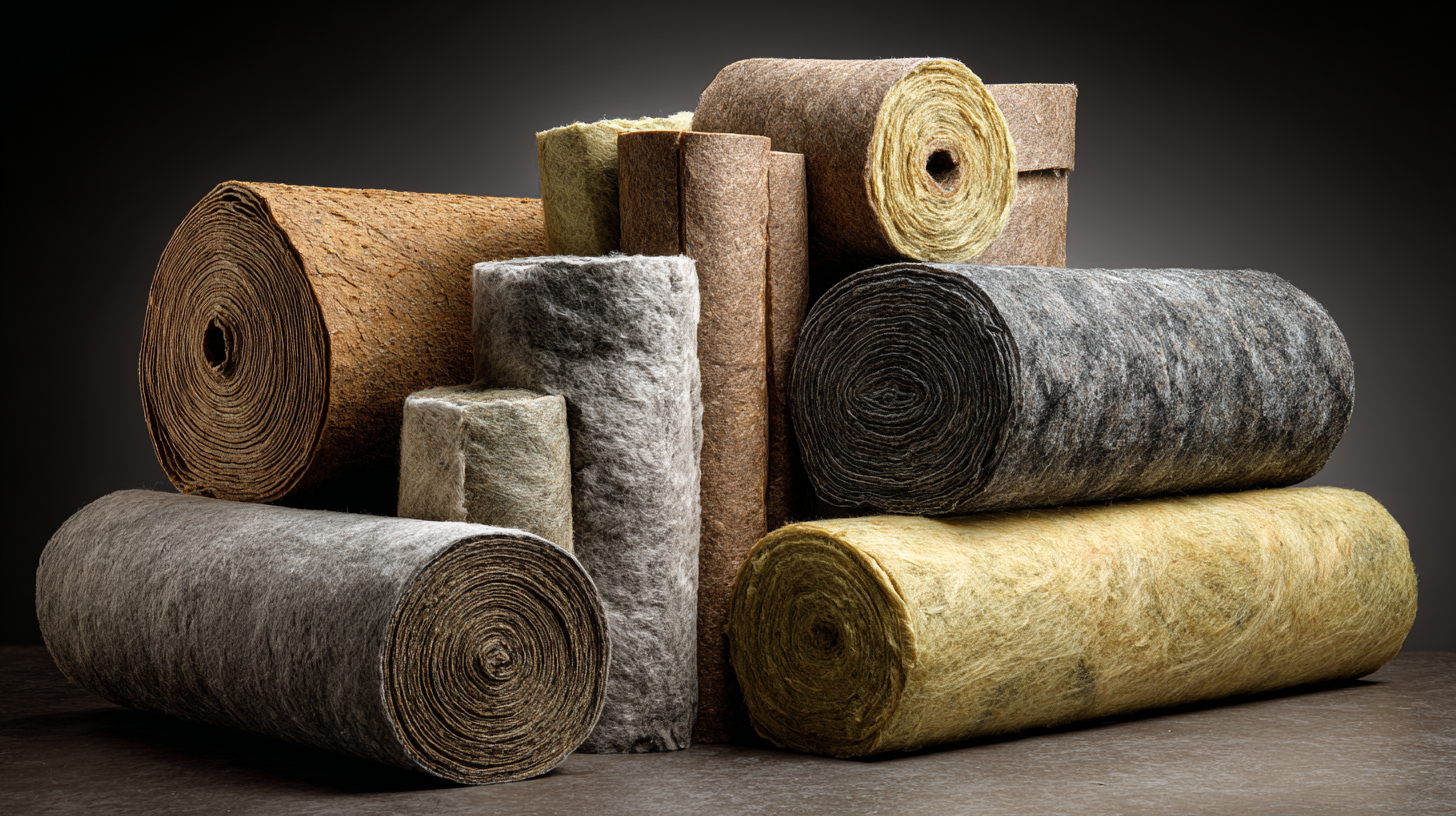
Another thing you shouldn’t overlook is the environmental impact. More and more manufacturers are now making thermal fiber insulation that’s not just effective but also eco-friendly. When shopping around, look out for products with certifications like GreenGuard or ones made from recycled materials—these tend to have lower VOCs and are gentler on the planet.
Pro tip: Always check for third-party testing and certifications to make sure your insulation meets safety and performance standards.
And speaking of installation, this part is super important. If it’s not done right, you could seriously be losing out—like, up to 50% effectiveness according to the Department of Energy. Better to get it installed by a pro who knows their stuff—this way, you’ll make sure everything, from air leaks to moisture control, is handled properly and your insulation actually does its job.
When you're choosing thermal fiber insulation for your projects, it’s really important to get a good handle on the different types out there and what their pros and cons are. Take mineral wool, for example — it’s great at absorbing sound and resisting fire, so it’s a popular pick in industrial settings. The Department of Energy even says mineral wool can handle temperatures up to 1,600°F, which is pretty impressive and super useful in high-temperature environments like petrochemical plants or manufacturing facilities.
Now, on the flip side, fiberglass insulation tends to be more budget-friendly, but it doesn’t quite match mineral wool when it comes to standing up to extreme heat. A report from the North American Insulation Manufacturers Association mentions that fiberglass works really well in homes, but its effectiveness drops a bit in places with high humidity and temperatures. If you’re dealing with really demanding environments, products like detachable thermal insulation sleeves from Jiangxi Jiecheng New Materials Co., Ltd. are a game-changer — they’re specially designed to cut down heat loss and are pretty easy to install and maintain.
At the end of the day, choosing the right insulation is all about boosting energy efficiency and keeping things safe. Every type comes with its own set of properties, so it’s worth taking the time to weigh those options carefully — especially when you’re working on bigger, more critical industrial projects.”
When you're choosing thermal fiber insulation for your project, it’s pretty important to get a good handle on energy efficiency ratings so you can really understand how well it’s going to perform. The U.S. Department of Energy points out that proper insulation can cut down energy losses in your home by as much as 30%. That’s a pretty big deal because it usually means lower energy bills and a more eco-friendly living space. There are various standards like R-value that are used to measure how effective insulation is—basically, the higher the R-value, the better it resists heat flow. For example, fiberglass batts usually fall somewhere between R-11 and R-38, which is why they’re such a popular pick for all sorts of residential projects.
Another thing to consider is the environmental impact and how well the insulation will hold up over time. The EPA mentions that sustainable insulation options can also improve your indoor air quality and help reduce greenhouse gases. Take cellulose insulation, for instance—it typically has an R-value around R-3.2 to R-3.8 per inch and is made from recycled materials. So it's not just good for insulation but also better for the planet. Getting a good grasp of these energy efficiency ratings isn’t just about picking the best insulation — it also shows you’re thinking about saving energy and being a bit more environmentally responsible in your building projects.
When you're planning your budget for thermal insulation, it's really important to keep an eye on the big market trends because they can have a big impact on both costs and benefits. Did you know that the building insulation market is expected to hit over USD 24.5 billion by 2024? Plus, from 2025 to 2034, it's projected to grow at a solid rate of around 6.6% annually. This just shows how much more folks and companies are focusing on sustainability and energy efficiency these days. And honestly, it can really pay off—think lower energy bills and a greener footprint.
Lately, there’s been some pretty exciting innovation in insulation materials, like Hempcrete and high-tech prefabricated options. These new materials are not just more efficient but also more eco-friendly, which is a win-win. As green building practices become more popular, more variety in insulation choices is popping up, designed specifically to cut down on energy use in homes and offices alike. Companies like Jiangxi Jiecheng New Materials Co., Ltd. are leading the charge—they’re making high-temp insulation solutions like sleeves and boards that match these new demands. Overall, these advancements are helping create a more energy-efficient building world, one step at a time.
| Insulation Type | R-Value (per inch) | Cost per Square Foot | Installation Difficulty | Durability (Years) |
|---|---|---|---|---|
| Fiberglass Batts | 2.9 - 4.3 | $0.50 - $1.00 | Moderate | 30+ |
| Foam Board | 3.6 - 7.0 | $1.00 - $2.00 | Easy | 20+ |
| Spray Foam | 6.0 - 7.0 | $1.50 - $3.00 | Difficult | 50+ |
| Cellulose | 3.1 - 3.8 | $0.70 - $1.50 | Moderate | 30+ |
| Mineral Wool | 3.1 - 3.7 | $1.00 - $1.80 | Moderate | 40+ |
When you're picking out thermal insulation for your project, thinking about sustainability should really be at the top of the list. Honestly, eco-friendly options like cellulose, sheep’s wool, or recycled denim aren’t just good for the environment—they actually perform really well in keeping things warm or cool. For example, the U.S. Department of Energy points out that cellulose insulation, which is basically made from recycled paper, can cut down a building’s energy use by up to 30%. That’s pretty impressive, right? It shows how effective it can be for saving energy and helping out with recycling at the same time.
Plus, many of these green insulation materials come from renewable sources, which means they have a much smaller carbon footprint compared to traditional fiberglass. A report from the National Association of Home Builders mentions that natural fiber insulations like sheep’s wool are not only biodegradable but also great at managing moisture, which actually helps improve indoor air quality. As people become more conscious about sustainability, using these kinds of materials can really boost your project's appeal. It’s not just about doing the right thing; it aligns well with current standards and regulations too. Honestly, switching to eco-friendly insulation isn’t just a passing trend—it’s a smart, necessary move toward a greener future.
When you're picking the right thermal fiber insulation for your project, it’s really important to understand how the installation actually works. I read a recent study from the North American Insulation Manufacturers Association (NAIMA) that says if insulation isn’t installed properly, you can see energy efficiency drop by as much as 30%. So, choosing insulation that not only meets your thermal needs but is also suitable for the installation conditions is pretty key.
There are different kinds of thermal fiber insulations out there, like fiberglass and mineral wool, and they each have their own installation quirks that can influence how well they perform. For example, fiberglass insulation needs to be handled carefully to avoid gaps, which can seriously mess with its R-value—that's usually between R-2.9 and R-4.3 per inch. On the flip side, mineral wool not only insulates well but also offers great soundproofing and fire resistance, making it perfect for projects with certain safety standards in mind. The U.S. Department of Energy even points out that picking the right insulation and installing it properly could cut down heating and cooling costs by around 20%. Long story short, paying close attention during installation isn’t just about ticking boxes for building codes; it makes a huge difference for your energy bills down the line.
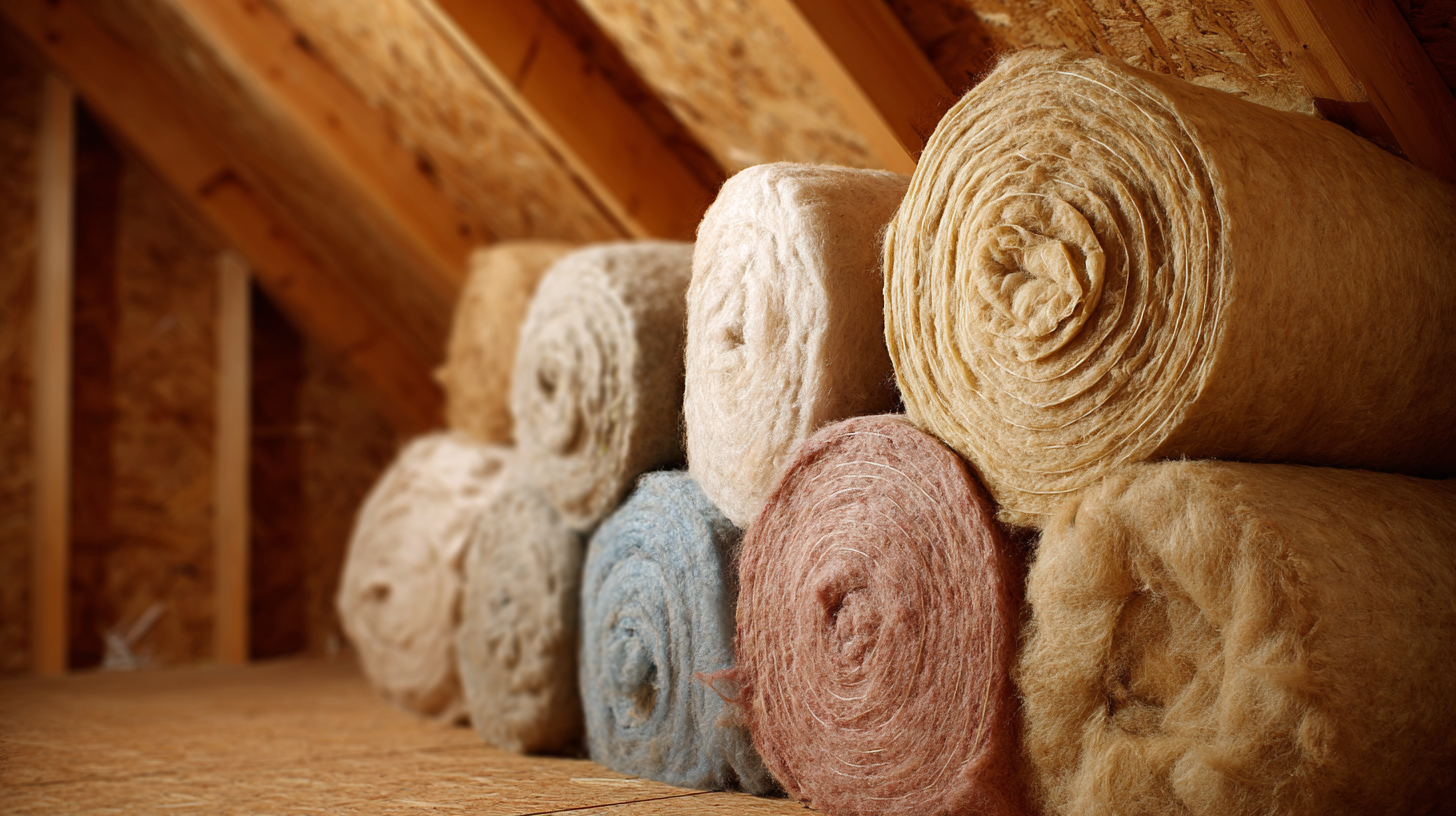
In today's industrial landscape, maximizing energy efficiency is more crucial than ever. One effective approach is the use of durable removable thermal insulation solutions that not only enhance energy efficiency but also offer long-lasting performance. These solutions are engineered to withstand a wide temperature range of -70°C to 1000°C, making them suitable for various industrial applications. With a thermal conductivity as low as
In addition to their impressive thermal properties, these insulation materials boast a material density ranging from 100-200 kg/m3 and come in thicknesses between 35mm and 50mm. This balance of density and thickness ensures optimal insulation without adding excessive weight to the structures they protect. Importantly, these materials are A-grade non-flammable, providing enhanced safety in industrial environments. Furthermore, their anti-corrosion properties are essential for longevity, resisting acids, alkali, water, and oil, which can otherwise compromise system integrity.
With a lifespan exceeding 10 years, investing in removable thermal insulation is not only a smart choice for energy efficiency but also an economic one. Industry reports indicate that proper insulation can lead to energy savings of up to 30%, underscoring the need for sustainable solutions that support both operational effectiveness and environmental responsibility. Implementing these advanced insulation solutions is a step towards a more efficient and cost-effective industrial operation.
: Mineral wool insulation offers excellent sound absorption and fire resistance. It can withstand temperatures up to 1,600°F, making it suitable for high-temperature industrial environments.
Fiberglass insulation is generally more affordable and performs well in residential settings. However, its efficacy can diminish in high humidity and temperature conditions compared to mineral wool.
Products like detachable thermal insulation sleeves, specifically designed to mitigate heat loss in demanding environments, are ideal for high-temperature solutions.
Eco-friendly insulation options include cellulose, sheep's wool, and recycled denim, all of which provide excellent thermal performance while minimizing environmental impact.
Cellulose insulation, made from recycled paper products, can reduce a building's energy consumption by up to 30%, promoting energy efficiency and recycling efforts.
Natural fiber insulations, such as sheep's wool, are biodegradable and have excellent moisture-regulating properties, improving indoor air quality and lowering carbon footprints.
Choosing sustainable insulation options not only reduces environmental impact but also enhances the marketability of projects, aligning with current environmental standards and regulations.
The distinct properties of each type of thermal fiber insulation, including their thermal protection and performance in high-stakes environments, should be weighed carefully.
With increasing consumer awareness of sustainability, choosing eco-friendly insulation can significantly enhance a project’s appeal and compliance with environmental practices.
Eco-friendly insulation materials sourced from renewable resources significantly lower a building's carbon footprint compared to traditional fiberglass insulation.