Welcome to JIECHENG



Leave Your Message
Welcome to JIECHENG
You know, it's really cool how the push for sustainable building practices is making us think a lot more about the materials we use, especially when it comes to Thermal Fiber Insulation. I came across this report from MarketsandMarkets, and it says the global Thermal Insulation Market is set to grow from about37.09 billion dollars in 2020 to nearly 58.69 billion by 2026! That’s a huge jump! And what's interesting is that there’s this big shift towards eco-friendly materials that not only improve energy efficiency but also help us reduce our carbon footprints. In this whole landscape, Jiangxi Jiecheng New Materials Co., Ltd. is really leading the pack, focusing on innovative products like detachable thermal insulation sleeves and high-temperature insulation boards. As more builders and contractors seek out effective and sustainable insulation options, figuring out how to choose the right Thermal Fiber Insulation is becoming super important. It’s all about meeting those green building standards while still ensuring performance and safety, right?
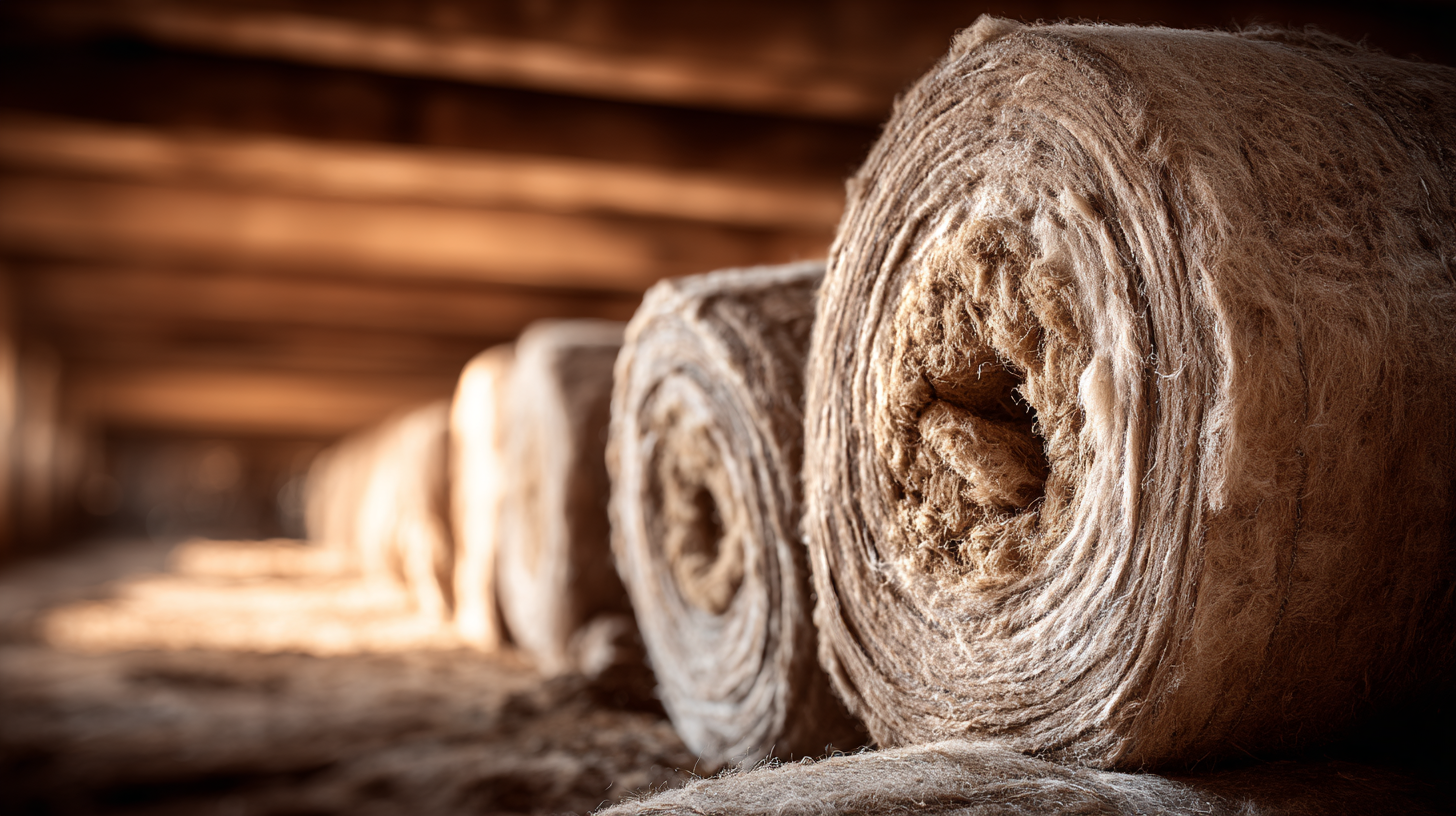
You know, thermal fiber insulation really is a game changer when it comes to sustainable building. It’s like the gold standard for energy efficiency and being kind to our planet. Nowadays, with everyone being more eco-aware, builders and architects are on the lookout for materials that not only keep things cozy but also help shrink that pesky carbon footprint. Good thermal insulation really does wonders; it keeps the heat where it needs to be, so you end up with comfy indoor temps and can rely less on those heating and cooling systems. That’s a win-win because it slashes energy bills and makes for a healthier living space too.
And honestly, we can’t stress how vital it is to use sustainable materials like thermal fiber insulation. Unlike the usual insulation options, a lot of thermal fiber products come from recycled stuff or renewable sources, which is pretty cool, right? Plus, these materials do a fantastic job with moisture control and breathe easily, so they help buildings last longer and keep mold and mildew at bay. As the construction world shifts towards greener practices, integrating thermal fiber insulation really shines as a smart move to hit those sustainability targets while still keeping things comfortable and efficient.
| Challenge | Impact on Sustainability | Potential Solutions |
|---|---|---|
| High Cost of Quality Materials | Limits adoption of sustainable practices | Developing cost-effective materials |
| Availability of Raw Materials | Increases dependence on imports | Local sourcing initiatives |
| Lack of Awareness | Reduces market demand for eco-friendly options | Educational campaigns and workshops |
| Performance Variability | Concerns about overall building energy efficiency | Standardizing testing methods |
| Regulatory Challenges | Hinders innovation in material development | Advocacy for policy adjustments |
When it comes to sustainable construction, finding top-notch thermal fiber insulation can be quite a challenge for everyone involved. One of the biggest issues is figuring out which materials not only perform well but are also good for the environment. A lot of traditional insulation options just don’t cut it when it comes to sustainability, and that’s why there’s been a big push for newer, eco-friendly thermal fiber solutions that sync up with green building practices. 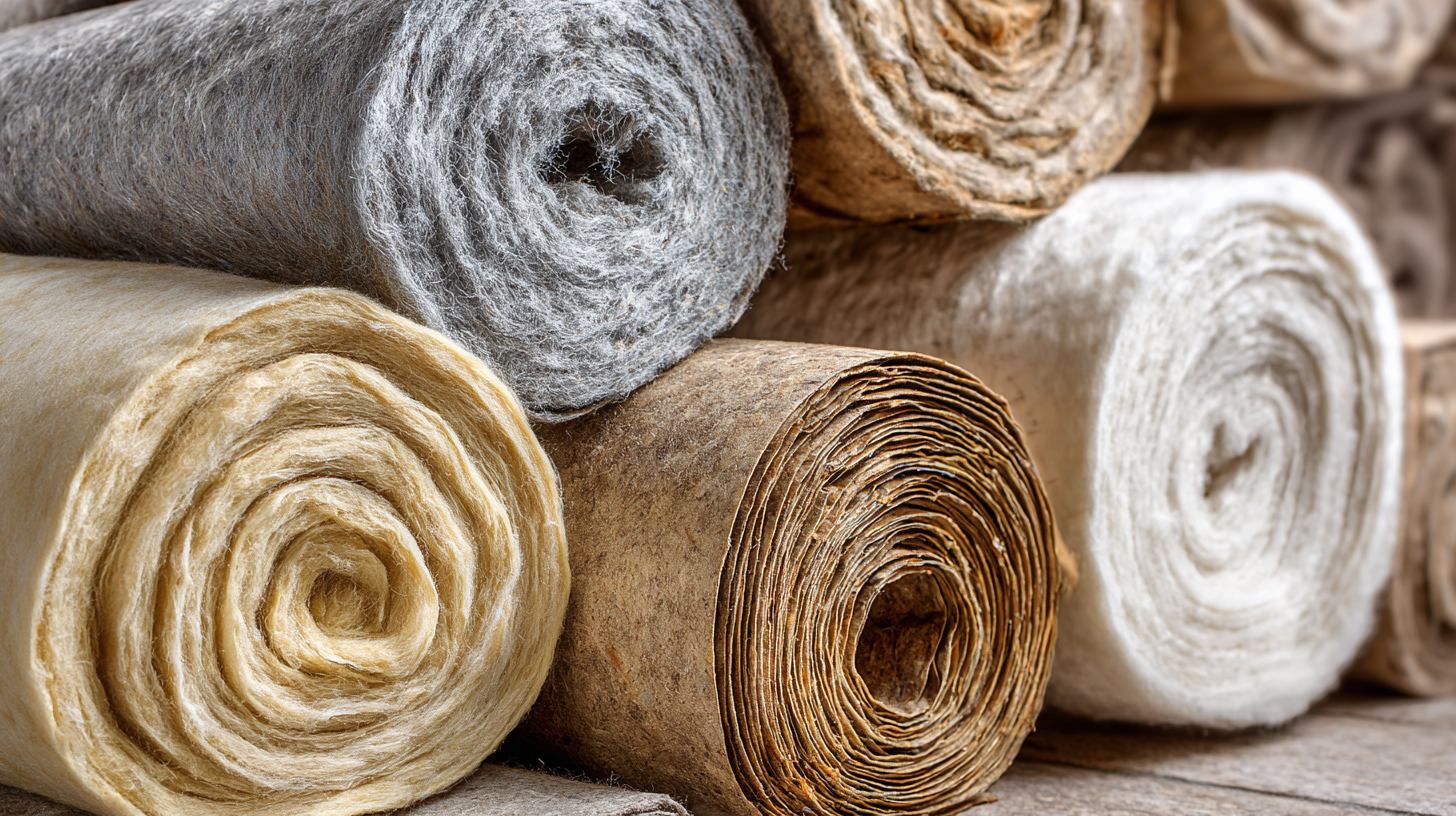 Companies like Jiangxi Jiecheng New Materials Co., Ltd. are really stepping up to the plate, leading the way in creating high-temperature insulation products that tackle these challenges head-on.
But that’s not all—another major hurdle is ensuring that the quality is consistent among different suppliers. With so many insulation products out there, it’s crucial to make sure that every single batch meets the tough quality standards. Jiangxi Jiecheng New Materials Co., Ltd. is all about quality control in their production of detachable thermal insulation sleeves and high-temperature insulation boards. By putting a strong emphasis on innovation and reliability, they make it easier for contractors and builders to find the right thermal fiber insulation solutions that fit their needs, all while promoting sustainable construction practices. So, it’s pretty clear they’re making strides in the right direction!
You know, when it comes to building sustainably, one of the toughest nuts to crack is boosting thermal insulation performance. A lot of the traditional insulation materials just don’t cut it—they can’t deliver the thermal efficiency we really need, and they often miss the mark on environmental standards too. Thankfully, there’s some exciting stuff hitting the market! Folks are starting to look at innovative options that lean on renewable resources and sustainable manufacturing methods. For instance, products made from recycled materials like cellulose or even denim are making waves. Not only do they help cut down on waste, but they also pack a punch when it comes to thermal resistance, which is perfect for those modern eco-friendly buildings we see popping up everywhere.
And let's not forget the advances in nanotechnology! It’s pretty amazing how these developments are leading to some high-performance thermal insulation solutions. These new materials can really bump up energy efficiency by lowering thermal conductivity, which in turn keeps our indoor spaces comfy while using less energy overall. Plus, there are these cool hybrid composites that mix natural fibers with minerals—they’re proving to be tough and moisture-resistant too. By jumping on board with all these innovative approaches, the construction industry is gearing up to tackle the thermal insulation challenges head-on, and that’s a big step towards greener, more sustainable building practices.
You know, the construction industry is really starting to make a shift towards more sustainable practices, and one of the big areas where this change is happening is in how we choose our materials. Take thermal insulation for example—picking the right ones can make a huge difference when it comes to energy efficiency and keeping our planet happy. A report from the World Green Building Council points out that buildings are responsible for about 39% of global carbon emissions, and a big chunk of that comes from heating and cooling. So, it’s super important to go for materials that not only do a great job insulating but also fit into a more sustainable approach.
That’s where we, at Jiangxi Jiecheng New Materials Co., Ltd., really shine. We specialize in high-temperature insulation products that tick all the right boxes for sustainability. Our detachable thermal insulation sleeves and high-temperature insulation boards are built tough to withstand harsh conditions, but they’re also designed to help save energy in construction projects. Research has even shown that using advanced insulation materials can slash energy consumption by up to 30%! By focusing on crafting innovative insulation solutions, we’re all about empowering builders and architects to make choices that are kind to the environment while boosting the sustainability of their projects.
When you're on the hunt for the best thermal fiber insulation for sustainable construction, checking out global manufacturers is super important. You really want to look for trust and reliability because they can make or break your project. Doing some thorough digging into the manufacturers' backgrounds is key – think about their production methods, certifications, and what they're doing for sustainability. You might want to check out their reputation by reading customer reviews or even asking around for recommendations; those can really shed some light on how trustworthy they are.
**Tip:** Keep an eye out for manufacturers that have solid certifications like ISO 14001. It’s a good sign that they're serious about sustainable practices and quality product output.
Another thing to think about is how transparent the manufacturer's supply chain is. Understanding where and how they get their materials can really help you find brands that match your sustainability values. Plus, don’t forget the level of customer service they offer – having a friendly and knowledgeable support team can be a lifesaver when you’re dealing with the nitty-gritty of installation and performance.
**Tip:** Try reaching out to manufacturers directly to chat about their sustainability efforts and ask how their products perform in real-world situations. That kind of conversation can really help you get a better understanding of how committed they are to quality and sustainability.
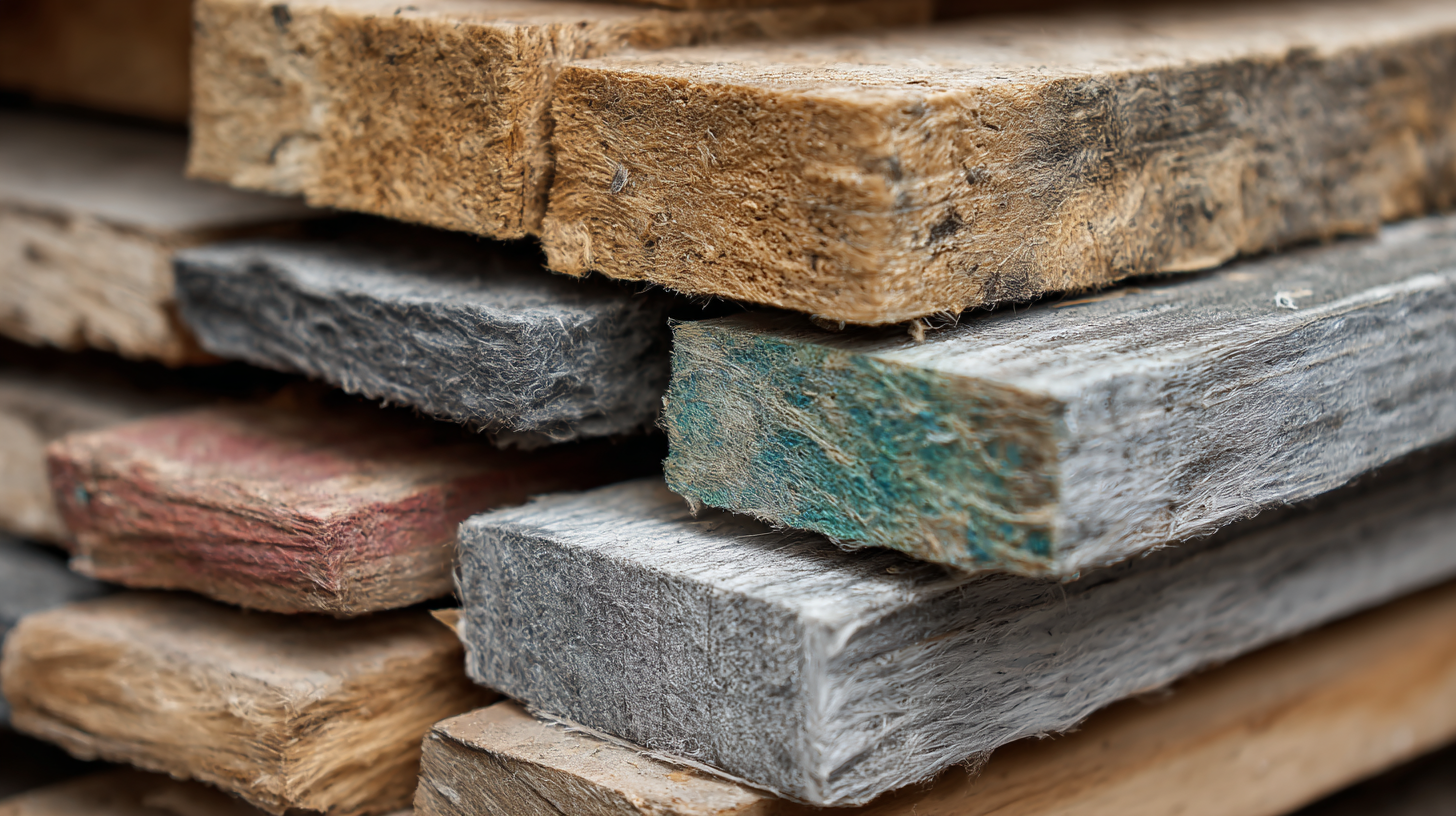
When it comes to sustainable construction, using thermal fiber insulation really brings a mix of opportunities and challenges. If you take a look at some case studies, you’ll see a growing trend towards eco-friendly insulation materials, like those offered by Jiangxi Jiecheng New Materials Co., Ltd. They’ve got some pretty amazing high-temperature insulation products, such as detachable thermal insulation sleeves and boards, that play a crucial role in boosting energy efficiency in buildings.
Oh, and here’s a bit of a wake-up call: according to the International Energy Agency, buildings are responsible for nearly 40% of global energy use. That’s why finding effective insulation solutions is super urgent to help cut down that impact.
One project that stands out really shows how well thermal fiber insulation can work in a new eco-friendly neighborhood. The stats suggest that buildings using these advanced insulation techniques can knock energy costs down by about 30%! That’s a win for global sustainability goals. But it’s not just about saving on energy bills; thermal fiber insulation also helps improve indoor air quality, which is so important for keeping everyone healthy.
Companies like Jiangxi Jiecheng New Materials are really leading the charge here, constantly coming up with new ideas to keep up with the rising demand for sustainable building practices while tackling the technical challenges that come with high-performance insulation solutions.
In the highly competitive petrochemical industry, optimizing energy efficiency has become a critical focus for companies aiming to reduce costs while enhancing sustainability. One innovative solution that has gained traction is the application of removable insulation. This advanced material not only facilitates easy access for maintenance but also provides exceptional thermal protection, contributing significantly to energy savings.
Removable insulation operates effectively within a broad temperature range of -70°C to 1000°C, making it an ideal choice for various applications in petrochemical facilities. With a thermal conductivity of less than 0.035 W/(m·K) at normal temperatures, it minimizes heat loss, thereby reducing energy consumption and operational costs. Additionally, its material density of 100-200 kg/m3 and thickness options of 35mm-50mm ensure robust performance in even the most demanding environments.
Moreover, the insulation's flame retardant properties classified as A grade non-flammable, coupled with its anti-corrosion characteristics—resisting acid, alkali, water, and oil—highlight its durability and functionality. Built to last over 10 years, this insulation solution not only enhances operational efficiency but also aligns with sustainability goals, making it a vital resource for petrochemical plants aiming to thrive in a greener economy.
: The main challenges include the inadequacy of traditional insulation materials in providing optimal thermal efficiency and meeting environmental standards.
Innovative solutions include products made from recycled materials, advancements in nanotechnology for high-performance insulation, and hybrid composites combining natural fibers with minerals.
Sustainable materials significantly impact energy efficiency by providing superior thermal properties that can reduce energy consumption, and they align with environmental sustainability practices.
Jiangxi Jiecheng New Materials Co., Ltd. specializes in high-temperature insulation products that help reduce energy consumption by up to 30% while supporting sustainable construction practices.
The benefits include enhanced energy efficiency, potential cost savings on energy bills, and improved indoor air quality, which is crucial for occupant health.
The construction industry accounts for around 39% of global carbon emissions, with a significant portion coming from heating and cooling needs in buildings.
Case studies provide evidence of the effectiveness of eco-friendly insulation materials, demonstrating their ability to reduce energy expenses and contribute to sustainability goals.
Nanotechnology involves utilizing materials at a nanoscale to create high-performance insulation solutions that improve energy efficiency by reducing thermal conductivity.
Material selection directly influences energy efficiency, environmental impact, and overall sustainability of construction projects, making it a critical consideration for builders and architects.
Future trends are likely to focus on the continued development of renewable and recycled materials, nanotechnology advancements, and hybrid composites to meet the demands of sustainable construction.


