Welcome to JIECHENG



Leave Your Message
Welcome to JIECHENG
Hey, these days everyone’s talking about being more energy efficient, right? Well, Silicone Thermal Insulation has really started to make a difference—it’s become a real game-changer, especially for both industrial setups and homes. According to a report from the U.S. Department of Energy, using the right kind of insulation can cut energy costs by like 20 to 30 percent. That really shows how important innovative materials are when it comes to saving energy. Companies like Jiangxi Jiecheng New Materials Co., Ltd.are on it, focusing on making and developing high-temperature insulation products—things like detachable thermal Insulation Sleeves and high-temp insulation boards. And get this—by2025, the global market for thermal insulation is expected to hit around $70 billion. Using Silicone Thermal Insulation doesn’t just help save energy, it also supports more sustainable practices in lots of different projects.
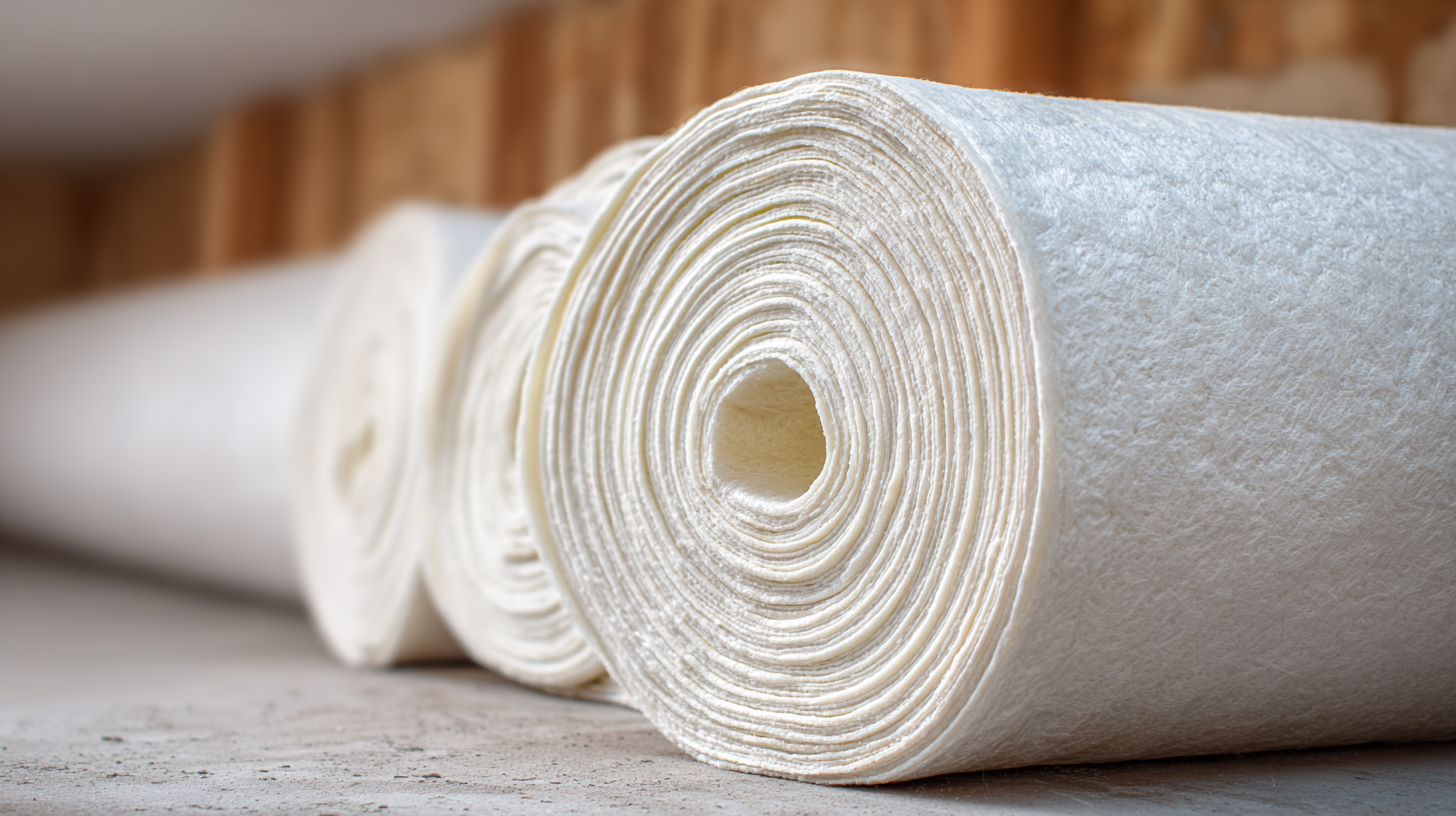
In this blog, I want to share the seven best ways to use Silicone Thermal Insulation, so you can see how smart deployment can really boost energy savings and keep things running smoothly.
You know, silicone thermal insulation is really gaining popularity these days — and for good reason! It’s got some standout features that make it great for boosting energy efficiency. One of the biggest perks is its incredible ability to resist heat loss. Basically, it helps keep temperatures steady and cuts down on energy use in both homes and industrial setups. That means cooler living spaces and less money spent on heating or cooling bills — who wouldn’t want that?
Plus, silicone insulation is not only tough but also super flexible. It can handle really extreme temperatures, so it’s perfect for all sorts of climates and uses—like HVAC systems or industrial pipes. And, it's resistant to moisture and chemicals, which means it lasts longer and keeps doing its job without fuss. When you add silicone insulation into your energy-saving plans, you’re not just saving cash over time — you’re also doing your part for a greener, more sustainable future.
All in all, it’s a smart choice for anyone looking to make their buildings more energy-efficient without sacrificing durability or versatility.
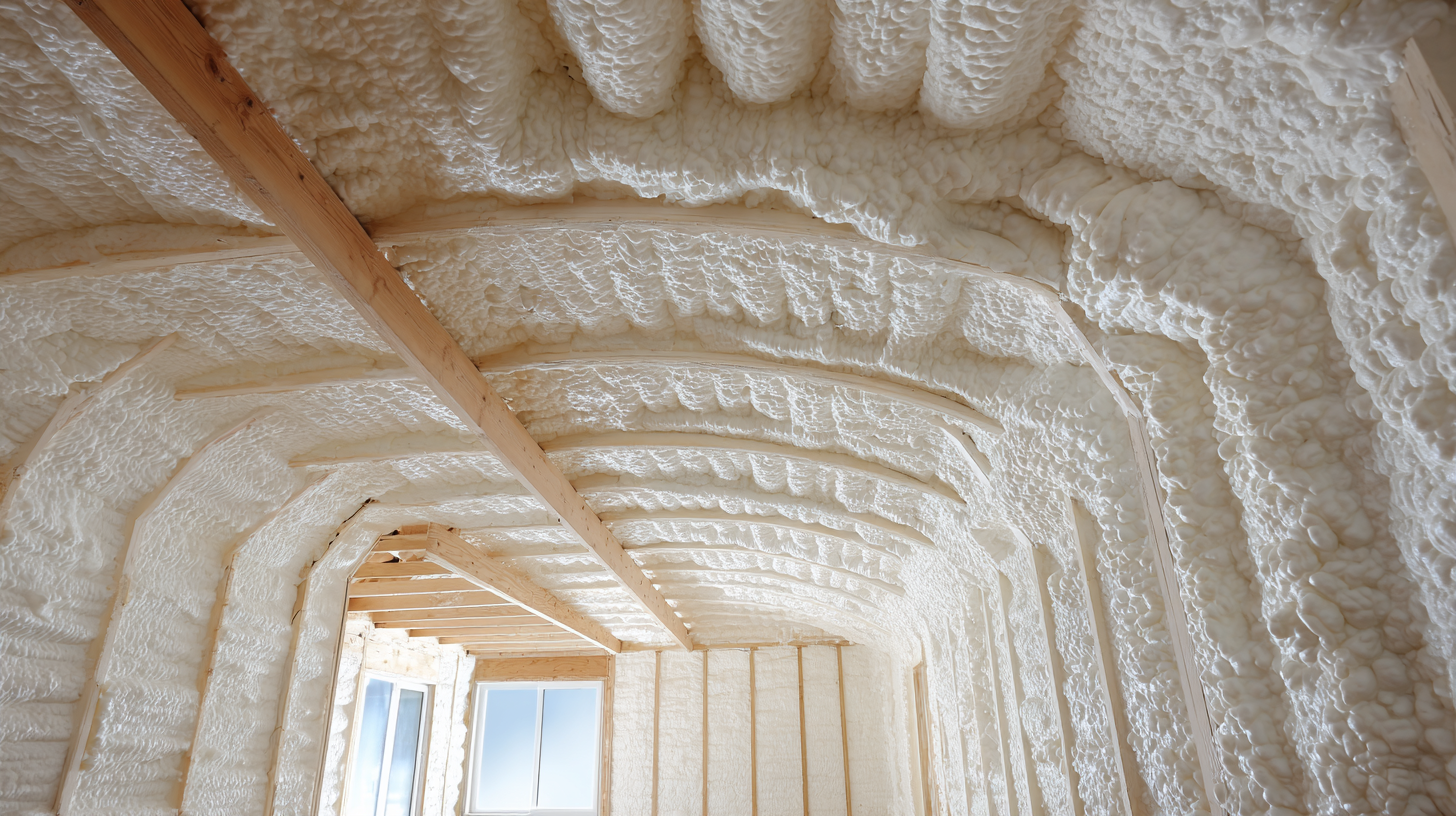 Lately, silicone thermal insulation has been really catching on as a go-to option for homeowners who want to boost their home's energy efficiency. One of the biggest perks? It does a fantastic job at keeping heat in, which means you can stay comfy indoors without racking up huge energy bills. Unlike some of the old-school materials out there, silicone insulation offers better thermal performance and tends to hold up longer—making it a solid pick for everything from walls to attics.
Plus, it’s not just about keeping the heat where you want it. Silicone insulation is also pretty resistant to moisture, which is a big deal because it helps prevent mold and weird smells, and means it lasts longer. So, when you toss this stuff into your home, you’re likely to notice your heating and cooling costs go down, and your place stays dry and cozy all year round. A little strategic use of silicone can really save you some cash on energy bills and is honestly a smart move in today’s world of energy-conscious living.
Lately, silicone thermal insulation is really starting to make waves across various industries, mainly because of its low thermal conductivity and how it can help boost energy efficiency. You’ll often see it being used in building projects, electronics, and specialized cooling systems. For example, in construction, integrating silicone insulation into building materials can really help cut down on heating and cooling needs, which is pretty great. It’s especially cool when you think about new tech like smart photovoltaic windows—they can improve energy savings while also making use of renewable energy.
When it comes to electronics, silicone thermal insulation is a game-changer, particularly in thermal interface materials that help get rid of heat from powerful components. Researchers are also looking into silicone rubber nanocomposites — they’re testing to see if these can boost insulation properties, making devices run cooler and more efficiently, even in tight spaces.
A few tips: If you’re thinking about using silicone insulation to save energy, make sure to pick materials that not only have low thermal conductivity but are also durable enough to last. It’s worth exploring new blends, especially those combined with nanomaterials, to get even better thermal performance. And don’t forget—always keep in mind the specific cooling or heating needs of your application, so you can really get the most out of what silicone insulation has to offer.
When you compare silicone insulation with traditional materials, a few important differences really stand out, especially when it comes to energy performance and overall durability. You know, traditional insulations are still pretty common, but they often fall short in terms of how well they keep heat in, how long they last, and their impact on the environment. Silicone insulation, on the other hand, tends to shine because it stays stable even in extreme temperatures and doesn’t mind getting wet. That makes it a great pick for a bunch of different projects— from cozy homes to big industrial setups. Plus, it’s usually lighter and more flexible than the old-school options, so installing it isn’t a hassle and it fits better with unique designs or tricky spaces.
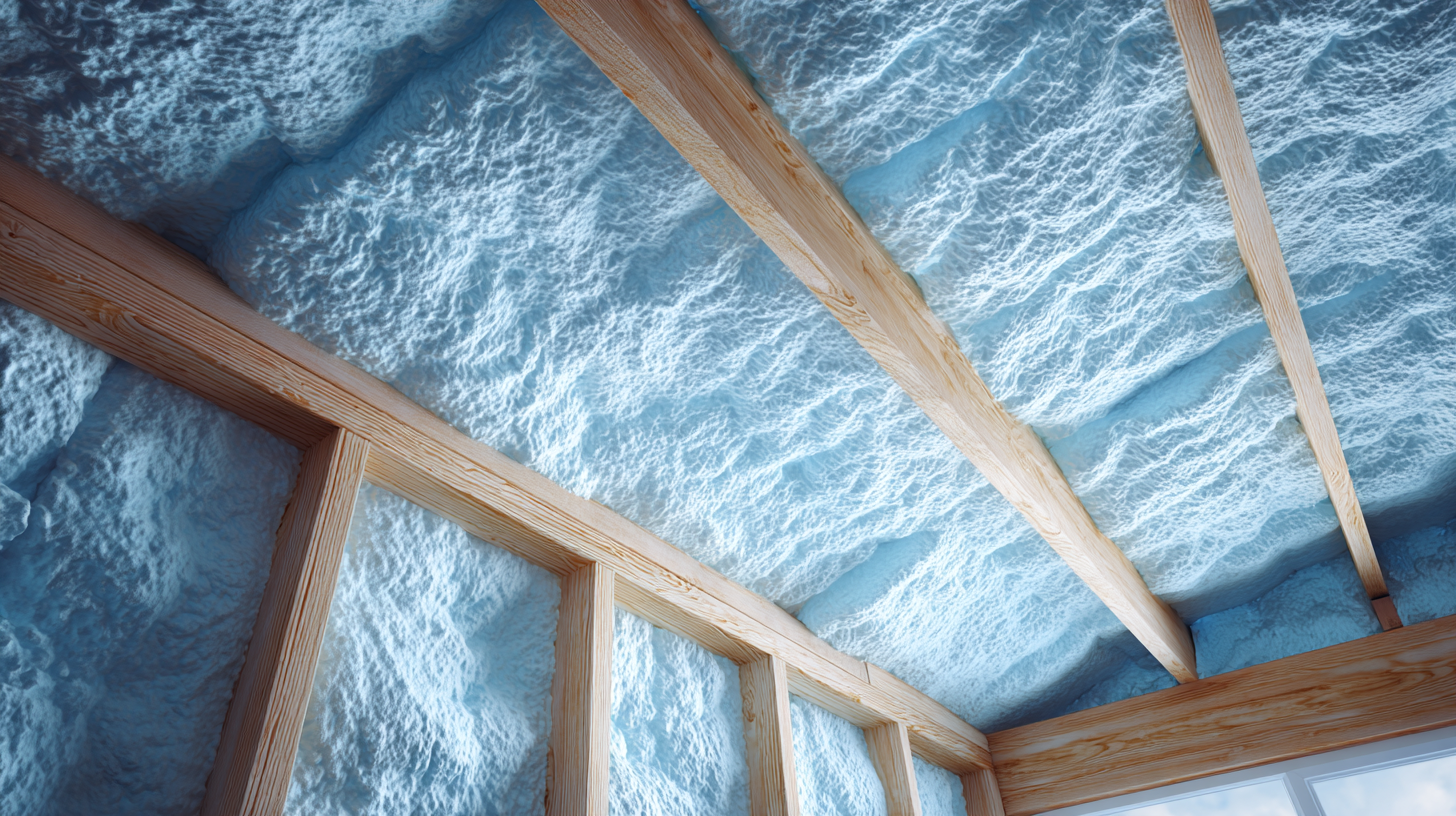
Lately, there’s been some cool innovation around thermal materials, like using nanotechnology or recycling waste. For example, studies on insulators made from recycled glass show how much energy you can save over time and how much better it is for the planet. Researchers are also exploring hybrid systems—mixing different kinds of insulation to boost performance. It’s pretty exciting, really—these ongoing efforts are helping us find smarter ways to get better insulation, and silicone seems to be leading the way when it comes to saving energy and protecting the environment.
Silicone insulation is pretty essential when it comes to hitting those Energy Star ratings and pushing forward our sustainability goals. As we all know, energy efficiency is more important than ever if we’re serious about fighting climate change, and silicone thermal insulation really stands out as a solid option. It’s got some pretty cool qualities—like being flexible and tough—that help it keep up as a reliable thermal barrier whether it’s in a home or a big industrial setup. By cutting down on heat transfer, silicone insulation actually helps lower energy bills, making it a key piece of the puzzle when it comes to being more energy-efficient.
Plus, silicone does a lot to support sustainability. When buildings do a good job of holding onto heat or keeping cool air in, the need for heavy-duty HVAC systems drops, which means fewer greenhouse gases get released. And let’s not forget, opting for silicone reduces our dependence on some traditional insulations that have their own environmental issues. Its durability and long-lasting performance mean fewer replacements needed over time, which is better for the planet. When builders and homeowners decide to go with silicone thermal insulation, they’re not just meeting Energy Star standards—they’re actually going above and beyond, while also supporting broader efforts to be more eco-friendly.
| Application | Energy Savings (%) | Sustainability Impact | Thermal Resistance (R-value) |
|---|---|---|---|
| Pipes and Ducts | 20-30% | Reduces greenhouse gas emissions | R-4 to R-6 |
| HVAC Systems | 15-25% | Enhances system efficiency | R-5 to R-8 |
| Building Facades | 30-40% | Improves thermal comfort | R-6 to R-10 |
| Attics | 25-35% | Lower energy bills | R-30 to R-38 |
| Basements | 20-30% | Minimize heat loss | R-10 to R-20 |
| Refrigeration Units | 15-20% | Energy-efficient operations | R-4 to R-8 |
| Water Heaters | 10-15% | Reduce heat loss | R-8 to R-16 |
Looking ahead, it’s pretty clear that the future of silicone thermal Insulation Technology is set to boost energy efficiency across a bunch of industries. I mean, with energy prices climbing all the time, there’s never been a better time for some smart, innovative insulation solutions, right? I read somewhere that, according to the International Energy Agency, just upgrading insulation in industrial processes could cut down energy use by as much as 30%. That’s huge! And silicone-based materials—these are really making waves because they're super stable when it comes to heat and also pretty flexible. They can handle really high temperatures without losing their insulating magic, making them perfect for those tough, high-heat environments.
At Jiangxi Jiecheng New Materials Co., Ltd., we’re really pushing the envelope on this stuff. We’re developing some pretty cool products like detachable Thermal Insulation Sleeves and high-temperature insulation boards. By using the latest silicone tech, we’re not only helping with better thermal efficiency but also tackling bigger issues like sustainability. As industries aim to go greener, silicone insulation is really set to play a key role in cutting down carbon footprints. And according to market reports, the demand for silicone insulation is expected to grow at about 7.5% annually from 2023 to 2030—that’s a sign that everyone’s really shifting towards high-performance, energy-saving solutions.
The global industrial insulation market is experiencing a transformative shift towards enhancing energy efficiency and sustainability. As industries face increasing pressure to reduce their carbon footprint, the focus on advanced insulation materials has never been more critical. In 2023, the emphasis on materials that not only lower energy consumption but also uphold safety standards and durability has become paramount.
One standout product in this evolving landscape is a high-performance insulation solution designed to operate within a temperature range of -70°C to 1000°C. With a remarkably low thermal conductivity of less than 0.035 W/(m·K) at normal temperatures, this insulation material ensures optimal thermal efficiency. Its thickness, ranging from 35mm to 50mm, addresses diverse industrial needs, while its density of 100-200 kg/m3 offers an ideal balance between weight and performance.
Moreover, this insulation product excels in flame retardant performance, classified as A grade non-flammable, which enhances safety in industrial settings. Its robust anti-corrosion properties make it suitable for a variety of environments, providing resistance to acids, alkalis, water, and oil. With a lifetime exceeding ten years, this insulation solution not only ensures long-term cost savings but also aligns with sustainability goals by reducing the need for frequent replacements. Embracing such advanced insulation technologies can significantly contribute to a more energy-efficient and environmentally friendly industrial sector.
: Silicone thermal insulation is primarily used in building construction, electronics, and specialized thermal management systems to enhance energy efficiency and reduce heating and cooling demands.
Silicone insulation offers superior thermal stability, moisture resistance, and is generally lighter and more flexible than traditional materials, making it easier to install and adaptable to various designs.
Innovations include the development of silicone rubber nanocomposites for better heat management in electronics, as well as the integration of recycled materials and nanostructured insulations in traditional applications.
It's essential to prioritize materials with low thermal conductivity, high durability, and compatibility with specific thermal management requirements to optimize performance benefits.
Improvements in insulation, such as those provided by silicone materials, can reduce energy consumption in industrial processes by up to 30%, according to reports from the International Energy Agency.
The demand for silicone insulation is projected to grow at a CAGR of 7.5% between 2023 and 2030, driven by the need for high-performance, energy-efficient solutions and a shift towards sustainable practices across industries.
Silicone thermal insulation materials can significantly reduce carbon footprints by enhancing energy efficiency and integrating advanced technologies that promote greener practices.
In electronics, silicone thermal insulation is vital as it helps dissipate heat from high-power components, ensuring effective thermal management in compact devices.
Research into hybrid insulation systems aims to combine various materials to enhance insulation capabilities, thereby improving overall energy performance.
Silicone-based materials maintain their insulating properties and thermal stability even at high temperatures, making them suitable for demanding applications.
Silicone thermal insulation really packs a punch when it comes to boosting energy efficiency in all sorts of applications. Honestly, it does a great job at cutting down heat loss in homes, which means more savings on your utility bills — nobody’s complaining about that, right? Plus, it's super versatile, so you’ll find it working beautifully in HVAC systems, piping, or even heavy-duty industrial equipment. And better yet, it outperforms those old-school insulation materials, not just in how well it works, but also in being more eco-friendly.
From what we’ve seen about its uses and perks, silicone thermal insulation is pretty key if you’re aiming for an Energy Star rating or trying to hit sustainability targets. And with new tech coming out all the time, the future looks promising — we’re expecting improvements that will make it even better at saving energy. Here at Jiangxi Jiecheng New Materials Co., Ltd., we’re committed to creating top-notch silicone insulation products like removable thermal sleeves and high-temp insulation boards, all to help build a more energy-efficient world.