Welcome to JIECHENG



Leave Your Message
Welcome to JIECHENG
Nowadays, energy efficiency is more important than ever, and honestly, one of the most underrated solutions out there is pipe insulation. It might not be the first thing that comes to mind, but understanding how beneficial it can be really pays off — whether you're dealing with residential setups or big industrial systems. Think of this as your go-to Pipe Insulation Guide; I’ll walk you through how installing the right insulation can slash your energy bills, cut down on heat loss, and even stop pesky condensation from forming. At Jiangxi Jiecheng New Materials Co., Ltd., we’re all about high-temperature insulation products — from removable thermal sleeves to insulation boards — tailored to meet the unique needs of different projects. Looking at the big picture, investing in good quality pipe insulation isn’t just about saving a buck now; it’s about the long game — saving energy, reducing costs, and making our future a bit more sustainable. So, let’s dive into how the right insulation can make a real difference for you!
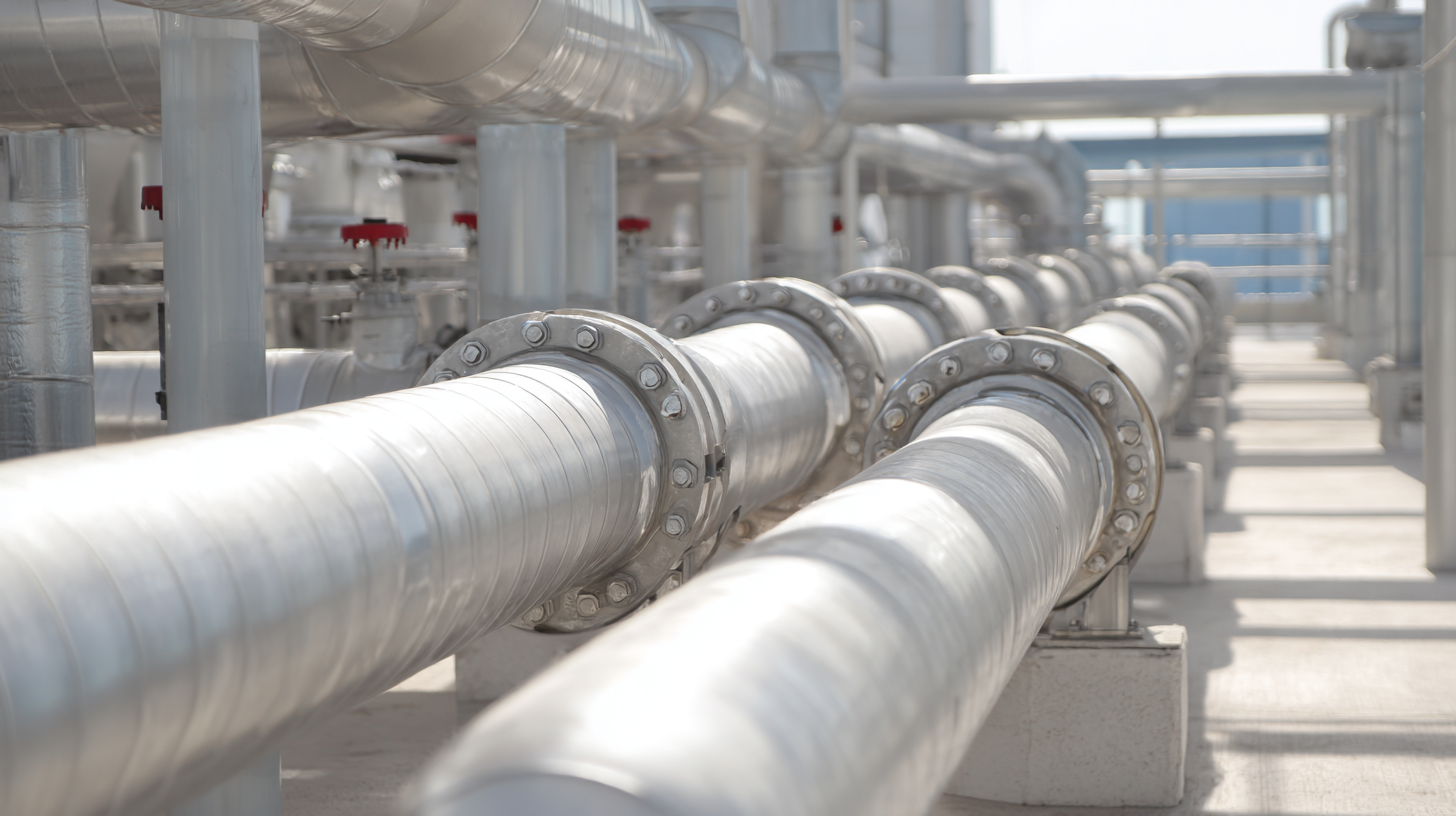
Pipe insulation might not be the sexiest topic out there, but trust me, it’s pretty important when it comes to saving energy. Whether it's in factories, oil rigs, or gas plants, properly insulating those pipes can really cut down on wasted heat. Industry folks say that good insulation can slash your energy bills by up to 20%. Basically, by preventing heat from escaping during the transmission of hot fluids, you're not only saving some bucks but also helping your heating systems run more smoothly and reliably.
The kind of material you choose for insulation actually makes a big difference. Common options like rock wool, glass wool, polyurethane foam, and elastomeric foam are popular because they do a good job resisting heat. Take polyurethane foam — it’s pretty much the gold standard in terms of R-value, which means it keeps heat in much better and reduces your energy costs. And as demand for energy-efficient solutions keeps climbing in different industries, high-performance insulation is becoming more and more sought after.
And it’s not just a tech thing—it’s also super beneficial at home. Insulating your pipes can cut down on heating and cooling costs, which is a nice bonus on your utility bills. Plus, it can make your house cozier; no chilly drafts sneaking in through uninsulated pipes. All in all, it’s a smart move for anyone wanting to be more energy-conscious and save some cash while they’re at it.
Good insulation really makes a big difference when it comes to keeping your HVAC running smoothly. Not only does it save you money on energy bills, but it also keeps your home comfy all year round. The folks over at the U.S. Department of Energy say that, with the right insulation, you could cut down your heating and cooling costs anywhere from 10 to 50%, depending on where you live and your home's layout. Basically, if you insulate well, your HVAC system doesn't have to work as hard to keep things cozy, which means it lasts longer and saves you money on repairs and maintenance.
When you're picking out Insulation Materials, it's a good idea to go for options made specifically for HVAC use—things likefiberglass or foam. These work well at reducing drafts and preventing heat from sneaking through. The Air Conditioning Contractors of America (ACCA) points out that properly insulated ductwork can boost HVAC efficiency by up to 30%. That means you're not just saving on your bill but also making your whole system run better.
A few tips:
Proper pipe insulation really plays a huge role when it comes to saving energy across different industries—think manufacturing, oil, and gas, and more. Honestly, the market for pipe insulation is expected to hit around $7.2 billion by 2030, mainly thanks to new materials like rock wool, glass wool, PU R/PIR foam, phenolic foam, and elastomeric foam making waves. Each of these materials has its own perks—for instance, phenolic foam offers excellent thermal resistance, while elastomeric foam is super flexible and pretty straightforward to install.
When you're picking out insulation for your pipes, it’s a good idea to think about what your specific setup needs. Make sure the insulation material can handle the temperatures and conditions it will face. Some tips for getting the most out of your insulation? Seal up the joints and seams properly so you don’t lose heat, and don’t forget to check regularly for any wear or damage—that way, you keep everything working smoothly.
There's also some pretty cool advances happening in this field, like new insulating mats made from electrospun fibers that mimic natural structures—these can lower surface temperatures by roughly 10%. It just goes to show how ongoing research is helping us improve Insulation Performance. As the industry keeps evolving, staying up-to-date with fresh materials and techniques will be key to keeping our pipe systems energy-efficient and running smoothly.
When it comes to making industrial setups more energy-efficient, good pipe insulation really makes a big difference. Basically, effective insulation doesn’t just cut down on heat loss—it also helps keep system temperatures just right. For companies like Jiangxi Jiecheng New Materials Co., Ltd., that focus on high-temperature insulation products, knowing the best way to install everything is super important if you want to get the most out of these benefits.
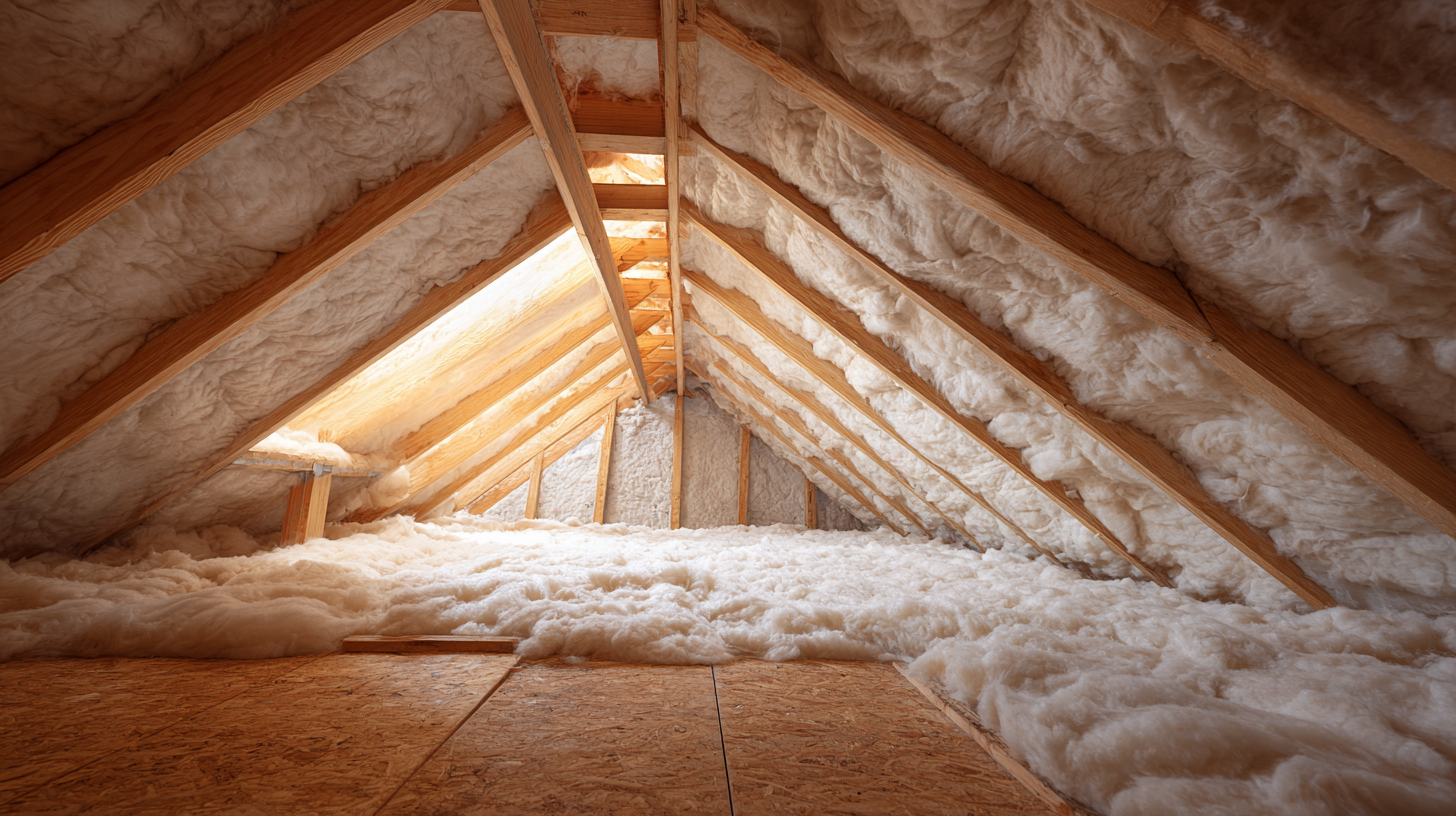
If you're aiming for real energy savings, it’s key to pick the right materials and apply them correctly. That means selecting insulation that fits the pipe’s size and temperature needs. Oh, and making sure the insulation is snug and free of gaps is a game-changer—it can seriously lower thermal bridging and energy loss. Using things like removable thermal sleeves can also make maintenance easier without messing up the insulation’s effectiveness.
Don’t forget, the installation itself should take environmental factors into account—stuff like humidity or the chance of mechanical damage. By following these simple best practices, companies can not only boost energy efficiency but also cut down on operational costs over the long haul. It’s all about aligning with the innovative solutions that Jiangxi Jiecheng New Materials offers—pretty cool, right?
Thinking about investing in good quality pipe insulation? Honestly, it’s not just a boring operational thing — it’s actually a smart financial move that can pay off big time down the line. The folks over at the U.S. Department of Energy say that insulating hot water pipes can cut heat loss by up to 80%. That’s a huge difference, and it directly helps you save on energy use and costs. For most commercial buildings, this could mean saving over a thousand bucks every year on heating alone. With energy prices heading upward, making sure your pipes are well insulated just makes sense — it’s a no-brainer for property owners and managers looking to cut ongoing expenses.
And here’s a kicker: the National Insulation Association mentions that proper insulation can give you a return on investment of about 100% within just 1 to 3 years — depending on your current setup and how much insulation you already have. That really highlights why it’s so important to not only insulate but use top-quality materials too. Bottom line? Investing in good pipe insulation isn’t just about saving energy — it also helps keep your heating and plumbing systems in better shape longer, reducing those surprise repair costs. It’s basically a win-win all around.
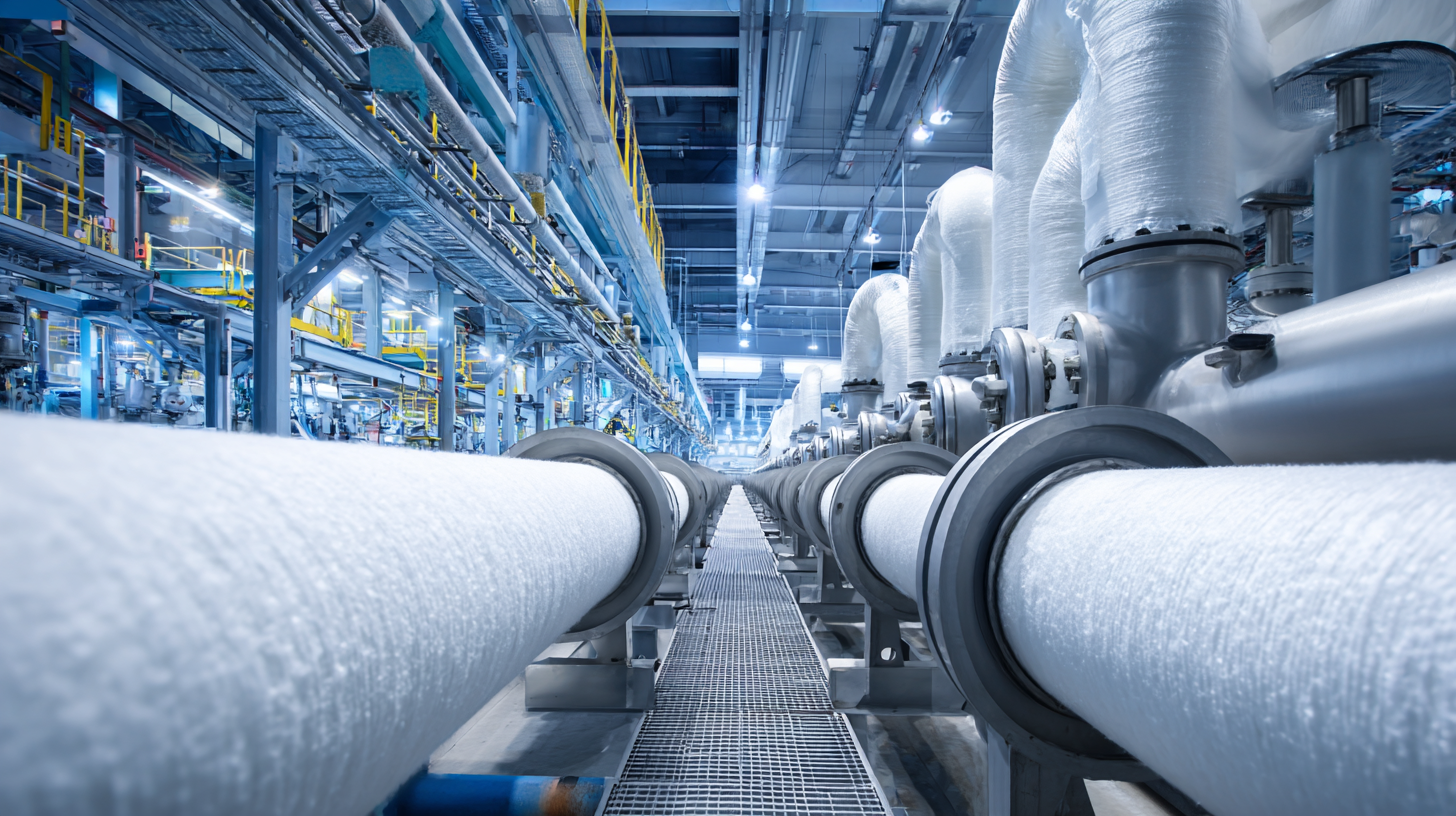
You know, proper pipe insulation really makes a big difference when it comes to sustainable energy management over the long haul. Basically, it helps keep hot fluids hot and cold fluids cold, which cuts down on energy loss—so you use less energy overall. That’s good for your wallet because it lowers those utility bills, but it’s also better for the planet, since we’re using less fossil fuel. As more buildings start adopting smarter energy habits, well-insulated pipes can actually boost a place’s green credentials and show they’re serious about sustainability.
On top of that, good pipe insulation can really help extend the life of your pipes and the whole heating or cooling system. When pipes go through crazy temperature changes without protection, they’re more likely to get damaged—meaning costly repairs or replacements down the line. Insulation acts like a shield, reducing wear and tear, which in turn saves resources over time. So, whether you’re a homeowner or you’re running a business, shelling out for quality insulation is a smart move. It’s a win-win—supports eco-friendly practices, keeps things running smoothly longer, and ends up saving you money in the end.
C system efficiency?
Fiberglass and foam insulation are recommended as they can greatly reduce thermal bridging and air leakage, enhancing HVAC performance.
Well-insulated ductwork can improve HVAC efficiency by up to 30%, helping to save on energy bills and enhance overall system performance.
Regularly inspect your insulation for damage or wear, as small gaps can lead to significant energy loss.
The R-value indicates thermal resistance; choosing insulation with a high R-value is important for maximizing energy efficiency in heating and cooling systems.
Proper pipe insulation minimizes energy loss, reduces energy consumption, lowers utility bills, and diminishes environmental impact, contributing to long-term sustainability.
Effective insulation protects pipes from extreme temperature fluctuations, reducing wear and tear, which extends their lifespan and minimizes costly repairs or replacements.
Yes, insulated pipes and efficient energy practices can significantly enhance a facility's overall green credentials by demonstrating a commitment to sustainability.
Investing in quality insulation can lead to lower utility bills, reduced maintenance costs, and support sustainable practices by minimizing waste and promoting longevity of infrastructure.
Hey there! So, in this Pipe Insulation Guide, we’re diving into all the awesome benefits of having good pipe insulation—like how it can seriously boost energy efficiency in different setups. Basically, when you insulate those pipes well, you cut down on energy waste, which means your HVAC system works better and your bills are lower. There are a bunch of different insulation materials out there, each with its own quirks, so picking the right one for your specific needs is kinda important. Oh, and don’t forget, doing the installation right can really maximize those energy savings and make sure your insulation actually does the job you want it to.
Investing in top-quality pipe insulation isn’t just about saving a quick buck today—it's also about helping the environment and maintaining long-term sustainability. Companies like Jiangxi Jiecheng New Materials Co., Ltd. are totally on top of this, offering high-temperature insulation options like removable thermal insulation sleeves and boards, perfect for specialized projects. If you get what’s involved and put some thought into your insulation strategy, you’ll see big improvements in energy efficiency and a positive impact on the planet, too.


